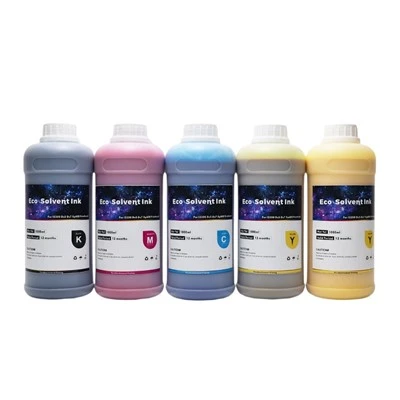



With the development of advertising inkjet printing, outdoor signage, vehicle wraps, and decorative materials, the application scope of solvent-based inks is gradually expanding. Compared to traditional solvent-based inks, solvent-based inks have advantages in terms of odor, environmental friendliness, and user experience, while maintaining good adhesion, weather resistance, and color performance. Therefore, they still have a strong application foundation in the outdoor inkjet printing market. Especially against the backdrop of increasingly stringent environmental protection requirements, traditional high-solvent products face certain replacement pressures, which also provides new space for the development of solvent-based inks.
From a market demand perspective, the future development of solvent-based inks depends not only on price and printing quality but is also increasingly influenced by factors such as environmental standards, equipment compatibility, and end-user costs. As inkjet printing equipment continues to upgrade, the matching requirements between inks and printheads are becoming increasingly stringent. Manufacturers need to find a better balance between color reproduction, drying speed, stability, and weather resistance. At the same time, the increasing demand for small-batch, rapid production in markets such as advertising production, personalized customization, and outdoor decoration will further drive the application of inkjet printing and related ink products.
Solvent-based inks still have room for future development, but industry competition will also become more intense. Simply relying on low prices to gain market share may become increasingly difficult. Product performance, environmental standards, and compatibility with printing equipment will become crucial factors in corporate competition. With continuous technological improvements, solvent-based inks are expected to evolve towards lower odor, lower volatility, higher stability, and wider material compatibility. For manufacturers, strengthening formula development and product stability control, while paying attention to environmental regulations and downstream application needs, will be essential for maintaining market competitiveness.