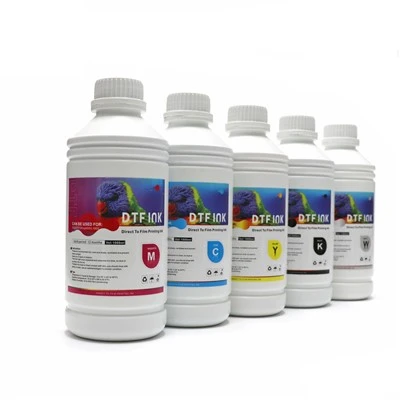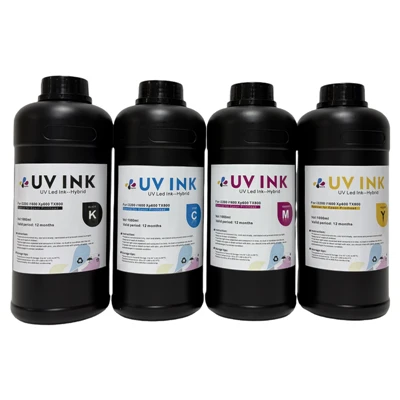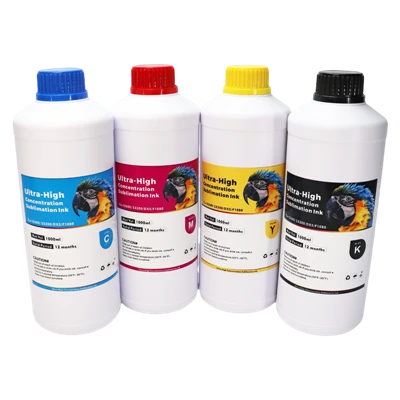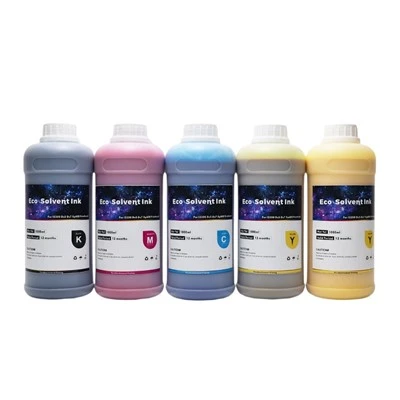

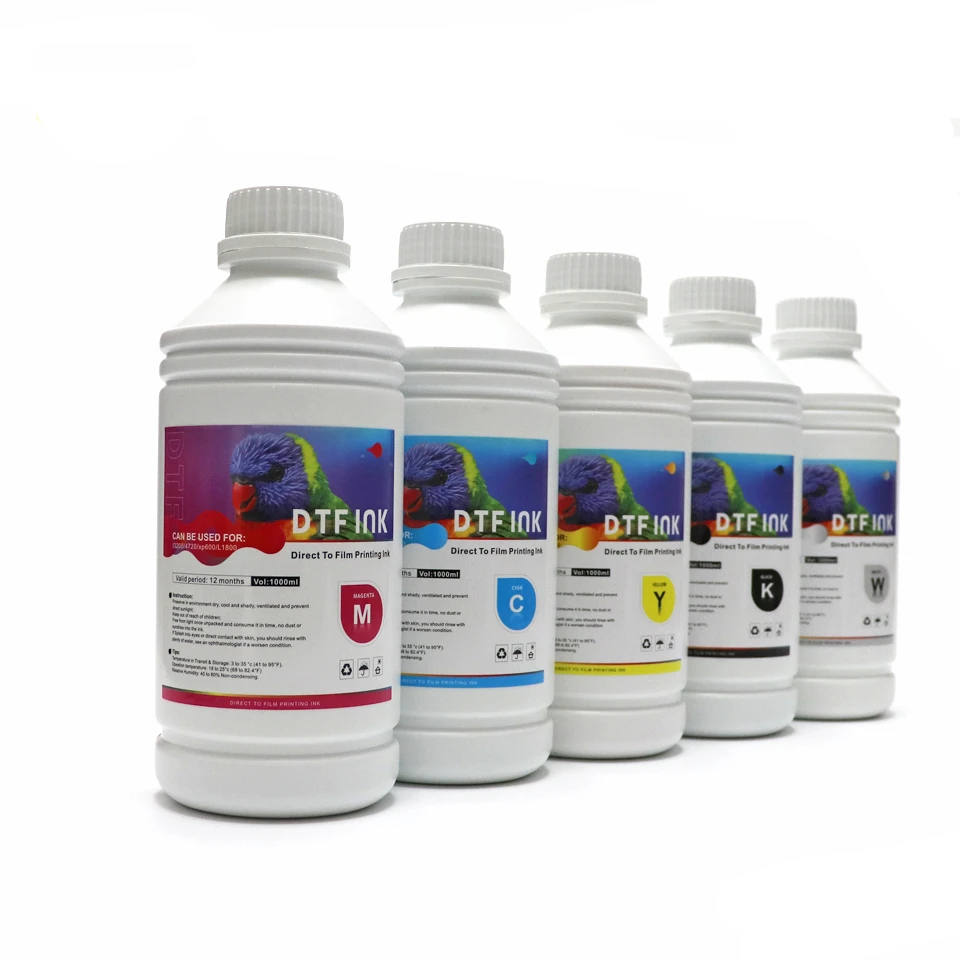

Proper preparation is essential before using mild-solvent inks to ensure optimal print quality and stable equipment operation. Before use, inspect the packaging for integrity and check the ink for signs of significant sedimentation, separation, or deterioration. Given the solvent properties of these inks, verify compatibility with the specific printer and printhead models before introducing the ink into the system; incompatibility can lead to clogged printheads, ink delivery issues, or degraded print quality. Maintain a clean working environment to minimize the entry of dust and impurities into the ink system, and avoid mixing inks from different brands or models to prevent chemical reactions that could compromise ink stability.
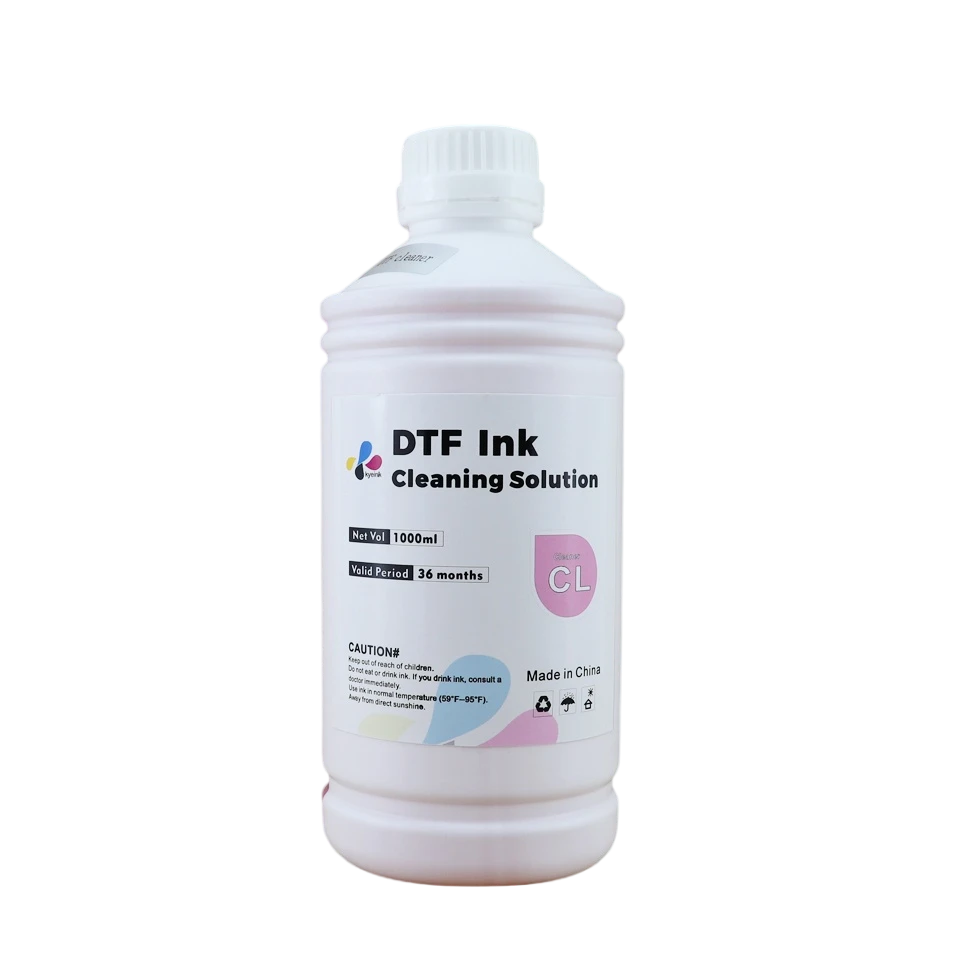
During the printing process, adjust parameters-such as ink volume, print speed, heating temperature, and drying time-based on the specific material and equipment status. While mild-solvent inks are suitable for a wide range of advertising materials and large-format media, absorption rates and adhesion characteristics vary by material; therefore, conduct test prints prior to full-scale production to ensure color accuracy, adhesion, and drying performance meet requirements. Maintain the printheads in good working condition through regular testing and cleaning to prevent ink drying or nozzle clogging caused by prolonged downtime. Additionally, maintain appropriate temperature and humidity levels in the printing environment to prevent fluctuations from affecting ink flow, drying speed, and the quality of the finished product.
Special attention is also required regarding the storage and routine maintenance of mild-solvent inks. Store ink in a cool, dry place away from light, avoiding high temperatures, direct sunlight, and prolonged air exposure to prevent performance degradation. Reseal opened ink containers promptly to minimize the ingress of air, moisture, and dust. Operators should take personal protective measures to avoid prolonged skin contact with the ink and ensure the production area is well-ventilated. Regular inspection of ink condition, equipment cleaning, and adherence to standardized operating procedures can effectively extend the ink's shelf life, enhance printing stability, and ensure the color fidelity, clarity, and durability of the final product.