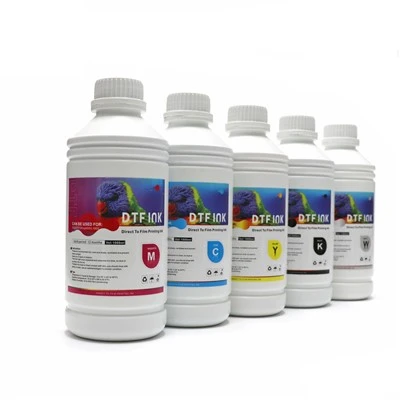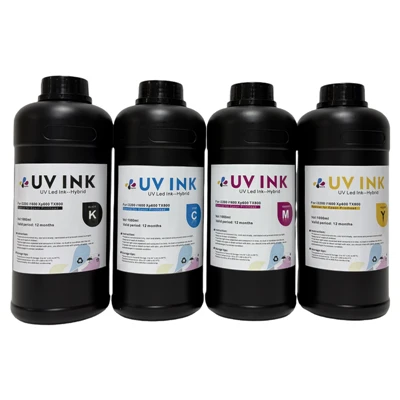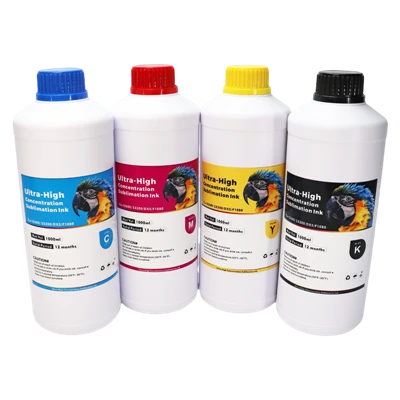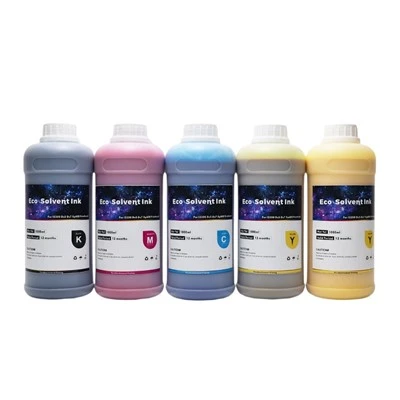
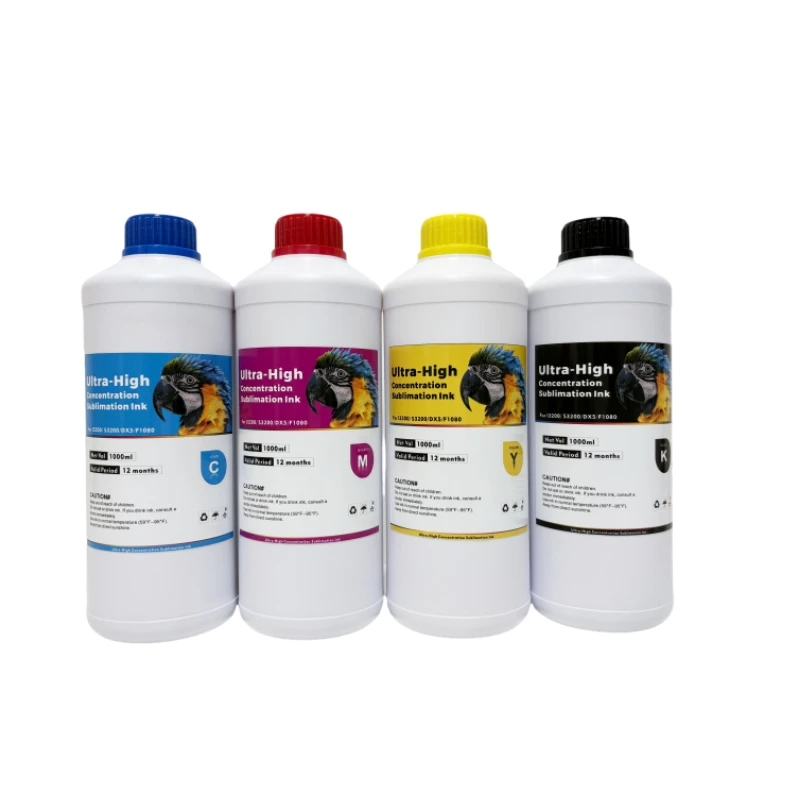
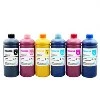

Dye-based inks are primarily composed of dyes, solvents, and small amounts of additives; their structural characteristics differ significantly from those of pigment-based inks. Because the dye dissolves in the solvent at the molecular level, the ink exhibits excellent uniformity and transparency. In common water-based dye inks, water typically serves as the primary solvent, supplemented by ingredients such as humectants and surfactants to enhance flow properties and storage stability. This state of molecular dissolution prevents significant particle settling, allowing the ink to pass smoothly through the nozzles of inkjet equipment.
Regarding the dye molecules themselves, their structures typically contain chromophores-groups responsible for generating color-as well as hydrophilic groups that enhance water solubility or improve application performance. Differences in molecular structure and functional group composition result in variations in color, solubility, lightfastness, and water resistance. For instance, the presence of hydrophilic groups such as sulfonic acid or carboxyl groups can increase a dye molecule's solubility in water. Since variations in molecular structure directly impact color performance and usability, the appropriate type of dye must be selected based on specific application requirements during the formulation process.
The overall structure of dye-based inks also necessitates consideration of the interactions between the various components. Solvents not only influence the dissolution state of the dye but also affect the ink's viscosity, surface tension, and drying rate; humectants retard water evaporation, thereby reducing the risk of nozzle clogging; and surfactants help regulate the wetting and spreading of the ink on the substrate. Consequently, formulating a dye-based ink involves more than simply dissolving dye in water; it requires a strategic combination of components to achieve an optimal balance among flowability, stability, and print quality.