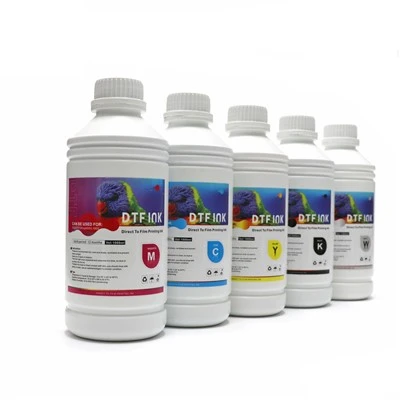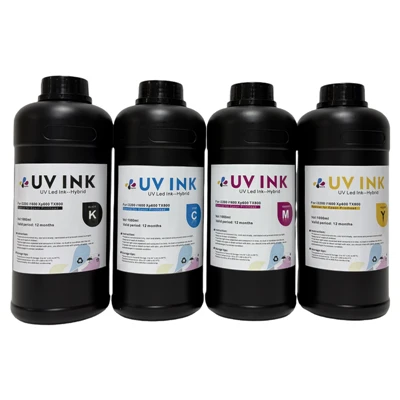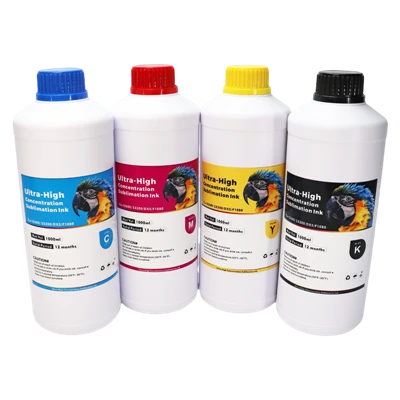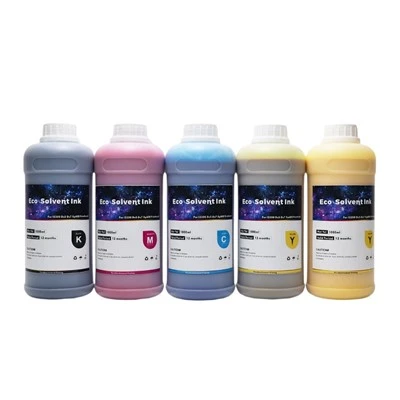

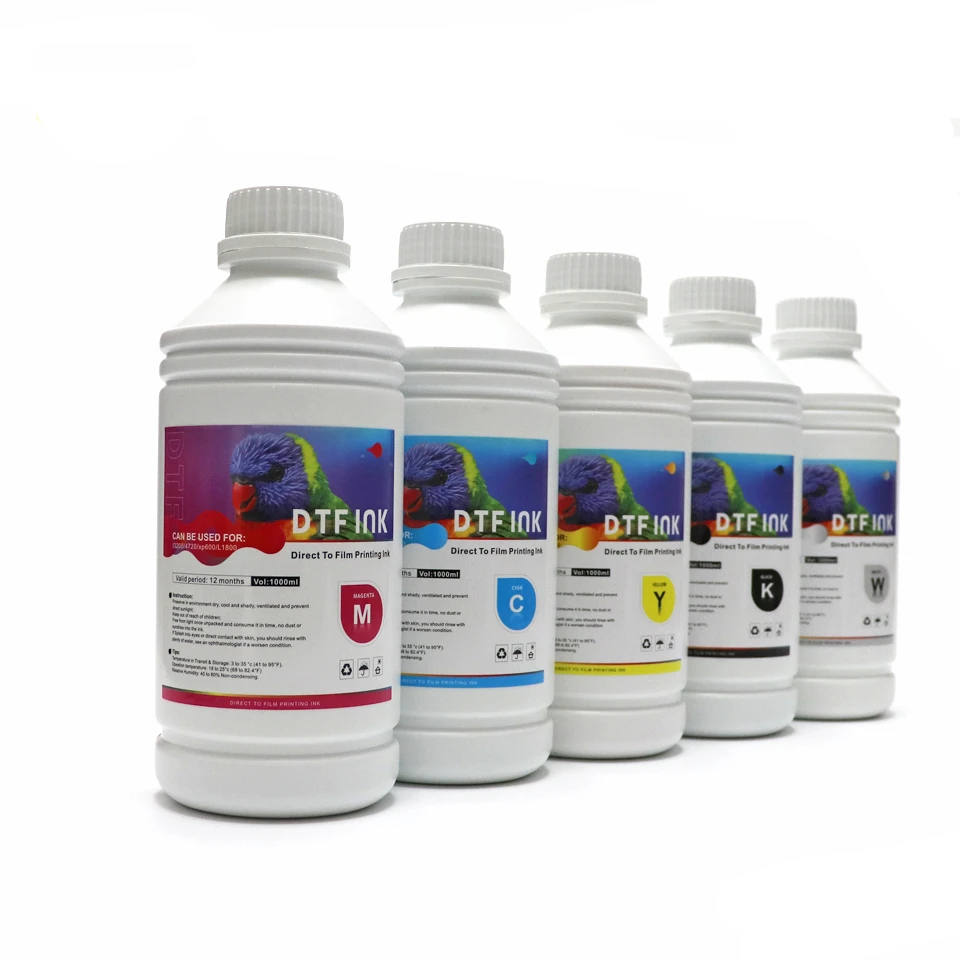

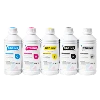
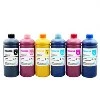

Pigment-based ink is a type of ink that utilizes solid pigment particles as its primary coloring agent, serving to deliver crisp, stable colors on printed materials. Unlike standard dye-based inks, the colorants in pigment inks do not dissolve; instead, they remain dispersed within the liquid as microscopic particles. Consequently, printed text and graphics typically exhibit superior clarity and color stability. In practical application, pigment inks effectively meet the demands of document printing, image output, and the production of various graphic materials.
A notable characteristic of pigment ink is its excellent water resistance. Once the ink adheres to the paper surface, the pigment particles resist spreading upon contact with moisture; thus, even if the printed material is exposed to small amounts of water, severe bleeding or smudging is unlikely to occur. Furthermore, pigment inks generally offer good lightfastness, meaning the colors do not fade rapidly when exposed to light. These attributes make them particularly suitable for documents, photographs, and labels intended for long-term preservation, as well as for materials requiring high-quality print output.
Pigment inks also enhance the durability and longevity of printed content. In fields such as office work, design, and advertising production, the focus extends beyond mere color quality to include text clarity, image stability, and the material's lifespan. Although pigment inks may require adjustments based on specific printing equipment regarding color performance and flow characteristics, advancements in printing technology have steadily expanded their range of applications, establishing them as a common choice within the inkjet printing industry.