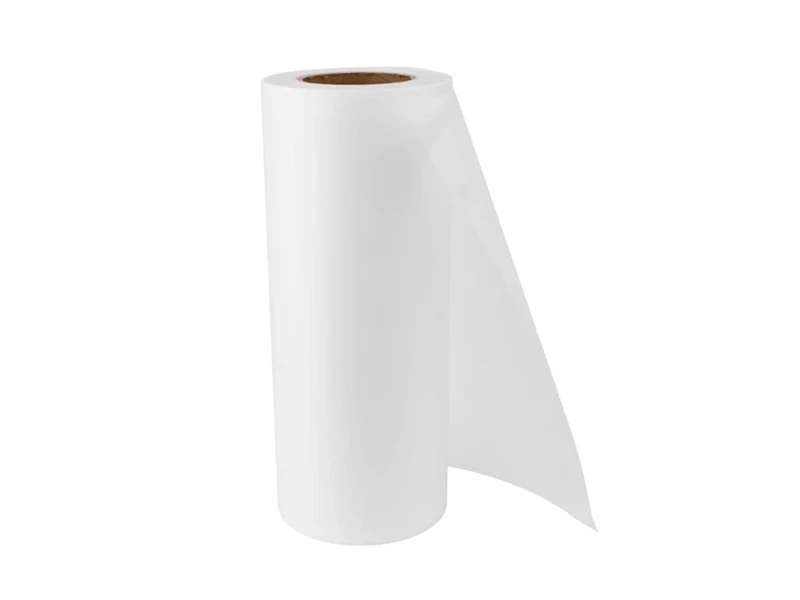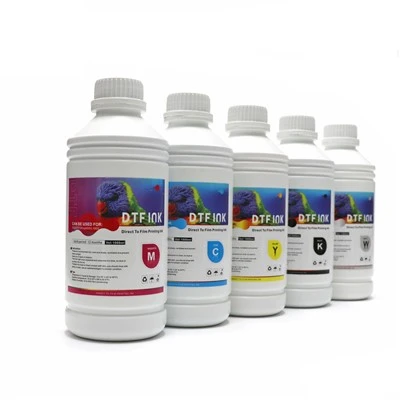

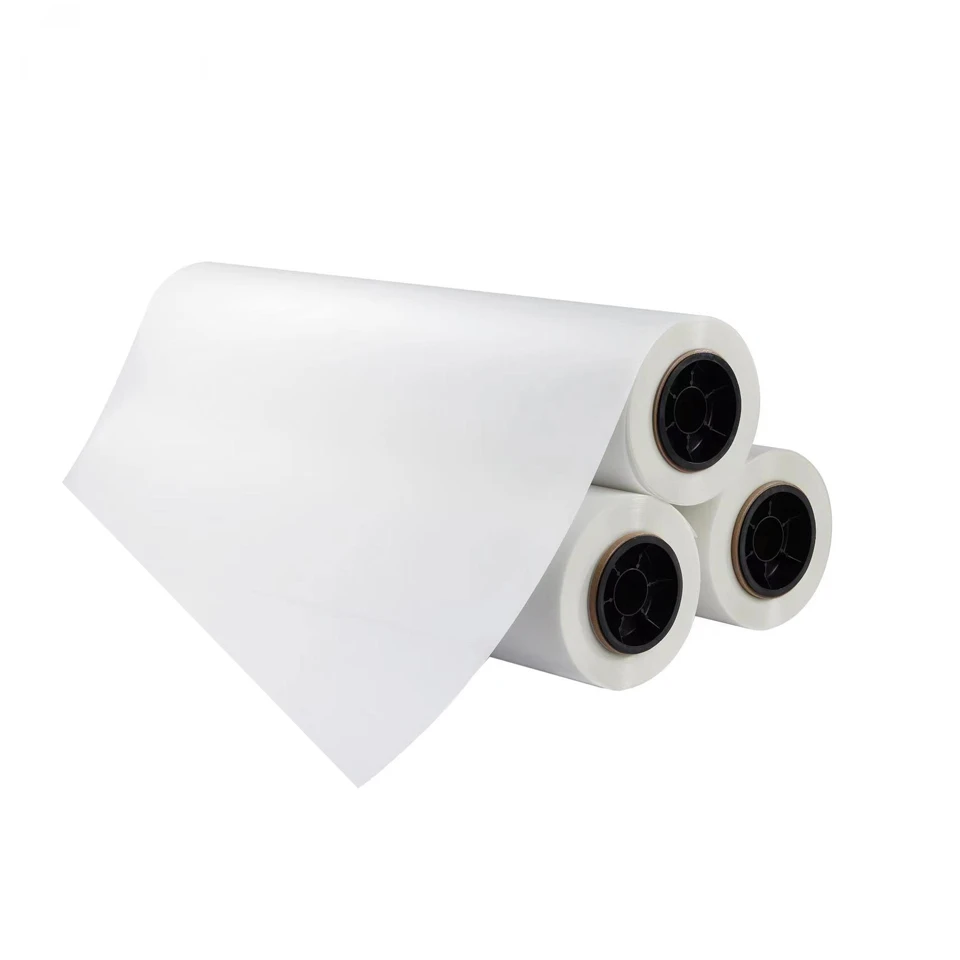
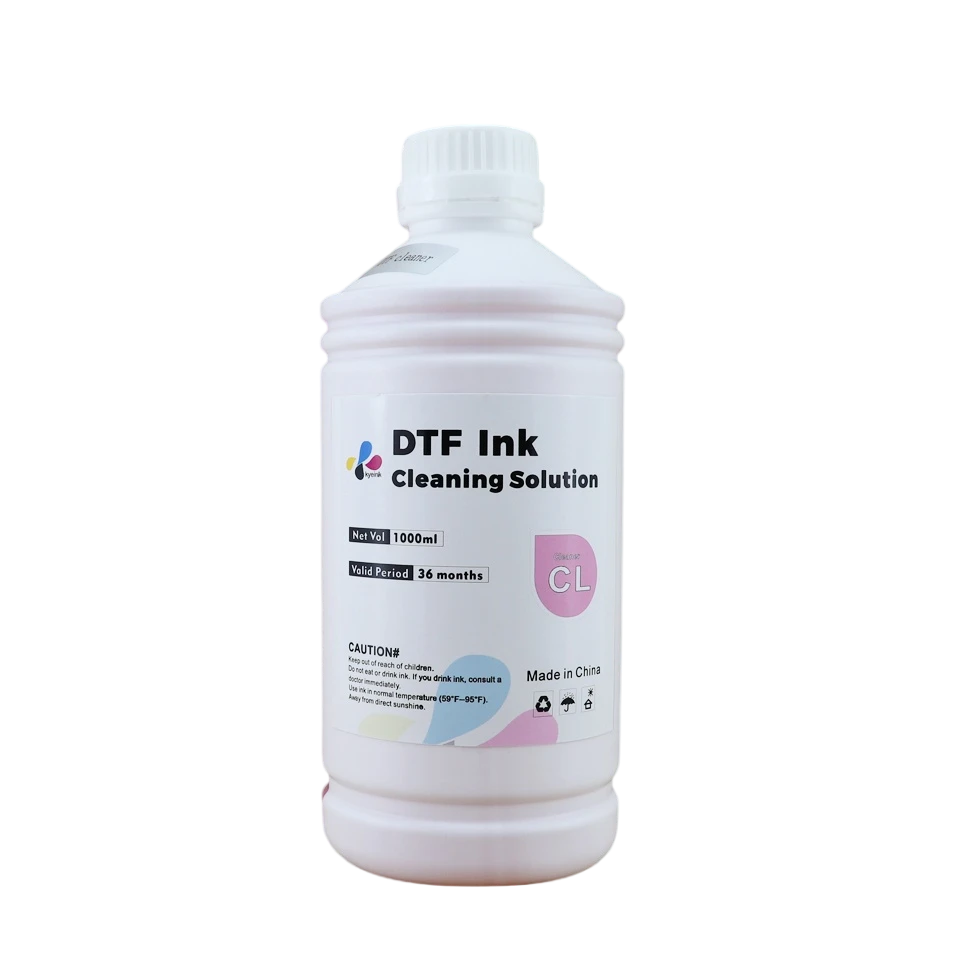
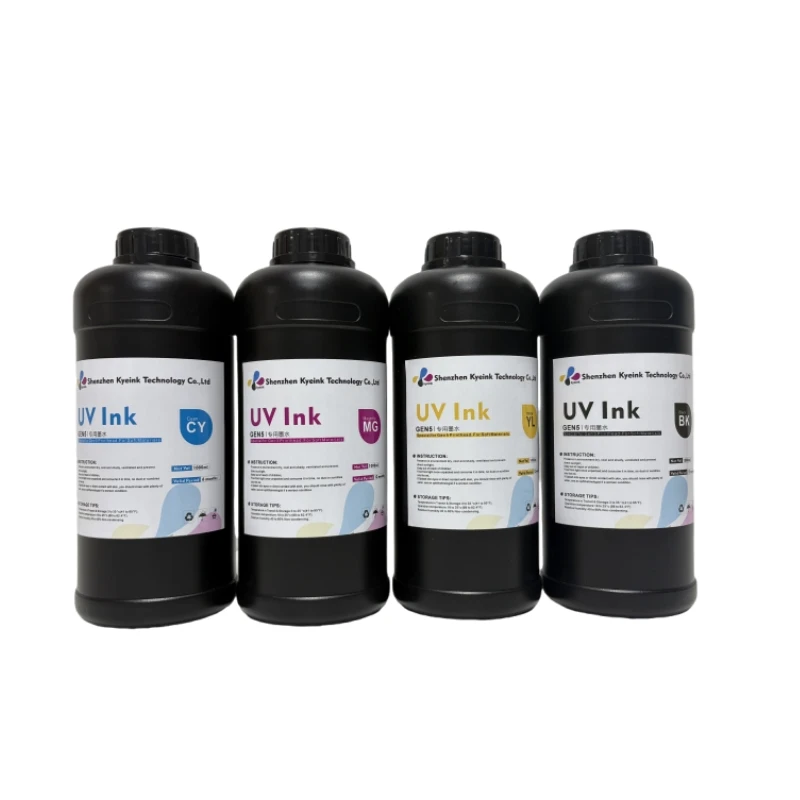
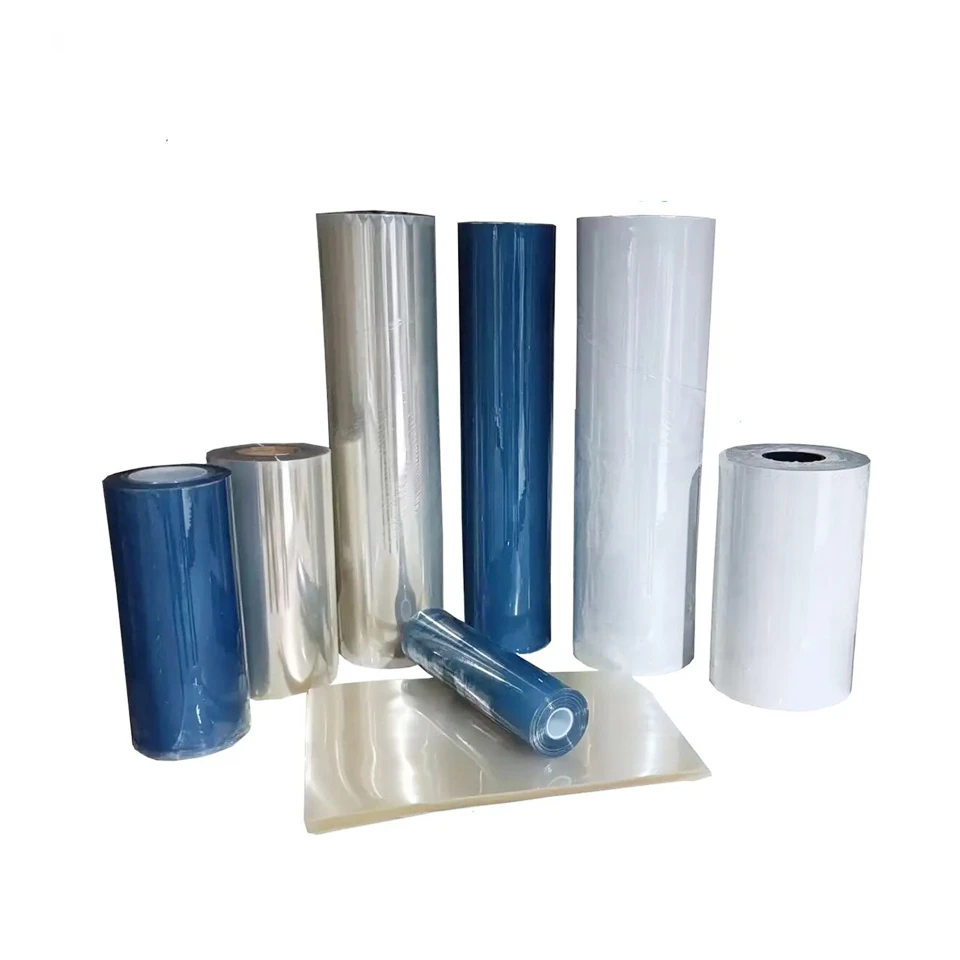
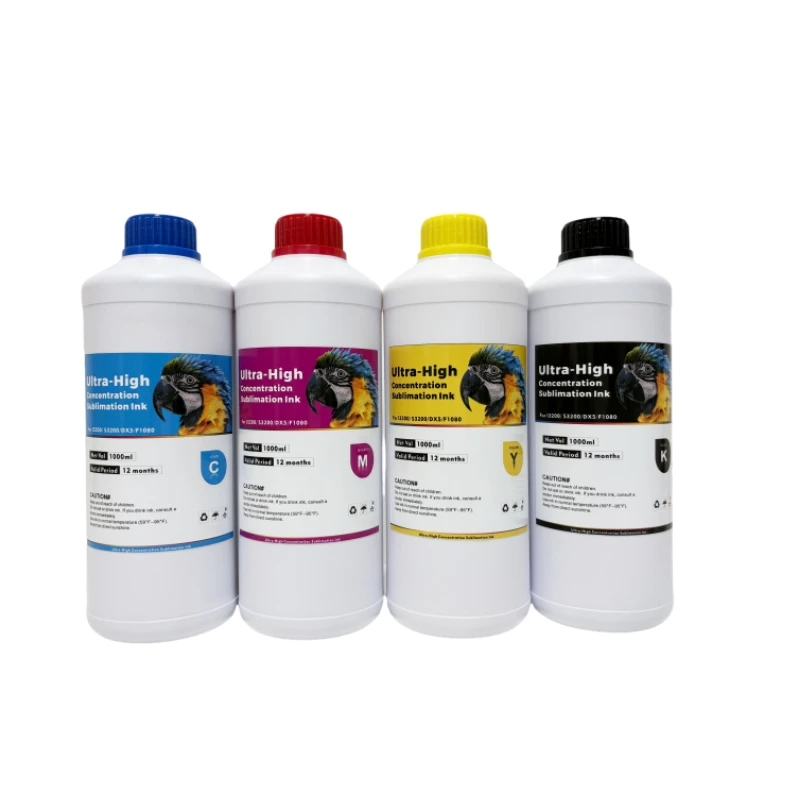
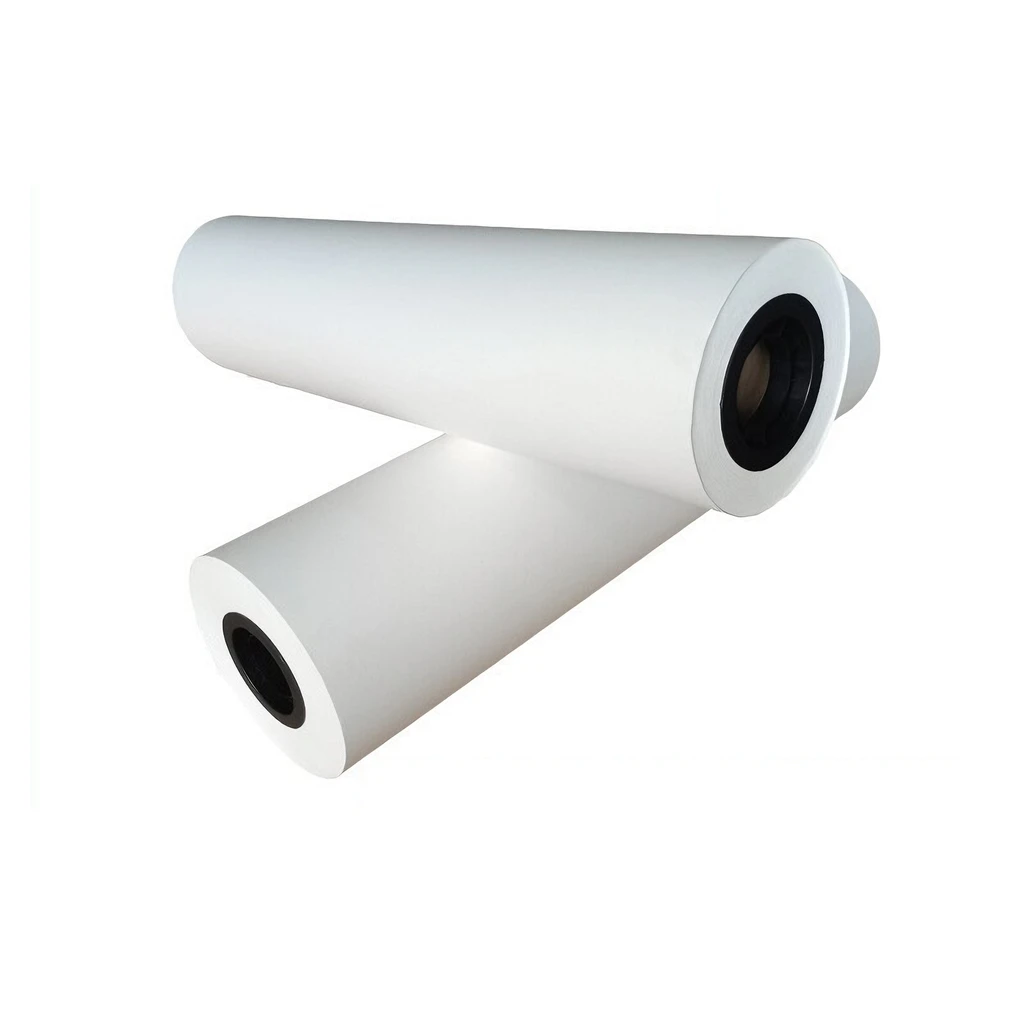


The substrate, film layer structure, and surface quality of heat transfer films must meet the requirements for heat transfer processing on apparel, luggage, footwear materials, and other textiles. The film material must exhibit good flatness and dimensional stability; its surface must be free from visible bubbles, pinholes, creases, edge shrinkage, impurities, scratches, and other defects that could compromise printing and transfer results. Film thickness must be controlled within specified limits with uniform tolerance to prevent issues such as uneven ink absorption, pattern edge distortion, or poor tactile feel after heat pressing caused by localized thickness variations. The release layer must be applied uniformly to ensure stable ink adhesion during printing while allowing for proper release after heat pressing; issues such as film sticking, stringing, adhesive residue, or pattern detachment must not occur. For films intended for inkjet, screen printing, or other processing methods, surface tension and surface treatment must be adjusted according to the specific ink system to ensure uniform ink spreading and stable adhesion. Finished rolls must be wound tightly and neatly; the core must not be loose, and the film edges must not be significantly misaligned. Storage and transport conditions must avoid high temperatures, humidity, direct sunlight, and heavy pressure to prevent material deformation or performance degradation.
The processing performance of heat transfer films during printing and heat transfer must remain stable, with particular attention paid to controlling parameters such as temperature, pressure, duration, and the release method. Heat pressing temperatures should be determined based on the film type, adhesive layer properties, and the substrate fabric; an optimal processing window is typically established through test runs rather than relying on a fixed production temperature. During heat pressing, the equipment's actual temperature must match the set temperature, and the temperature differential across the heat platen surface should be minimized. Pressure must be applied evenly across the entire transfer area to avoid problems such as pattern edge lifting, poor adhesion, or localized over-pressing caused by insufficient pressure. The heat-pressing duration should be adjusted based on material characteristics; an excessively short time may result in incomplete melting of the adhesive layer, compromising bond strength, while an excessively long time or high temperature could cause fabric discoloration, deformation, adhesive bleed-through, or surface irregularities on the design. Peel temperature and speed after transfer also require control; different types of heat transfer films may be suitable for cold, warm, or hot peeling processes, and the specific method must be determined based on the material's actual properties. Prior to production, bond strength between the design and the fabric should be verified through tests such as stretching, abrasion, and washing; simultaneously, the design should be inspected for issues like edge lifting, cracking, fading, or detachment to ensure process parameter stability during mass production.
Quality inspection of finished heat transfer films should cover appearance, dimensions, physical properties, and transfer performance. Appearance checks focus on ensuring the film surface is clean and flat, the printed design is clear and complete, colors match the standard sample, and edges are neat; defects such as missing ink, ink bleeding, contamination, color registration errors, pinholes, or design distortion are unacceptable. Dimensional checks should prioritize film width, length, and thickness, as well as the winding condition of the rolls, to ensure actual specifications meet order and process requirements. Performance testing-such as peel strength, wash fastness, dry-clean resistance, abrasion resistance, stretch resistance, and temperature resistance-should be conducted based on the product's intended use; the design must not exhibit significant detachment, cracking, blistering, or severe discoloration after testing. Compatibility verification should also be performed for different substrates-such as stretch fabrics, polyester, and nylon-since fabric composition, weave structure, surface treatment, and dyeing processes all influence transfer bond strength. During formal production, records of first-article confirmation and in-process inspections must be maintained to ensure traceability of temperature, pressure, time, material batch numbers, and test results; if anomalies arise, relevant process parameters must be adjusted and re-verified, and products that have not been confirmed as compliant must not proceed to packaging and shipment.