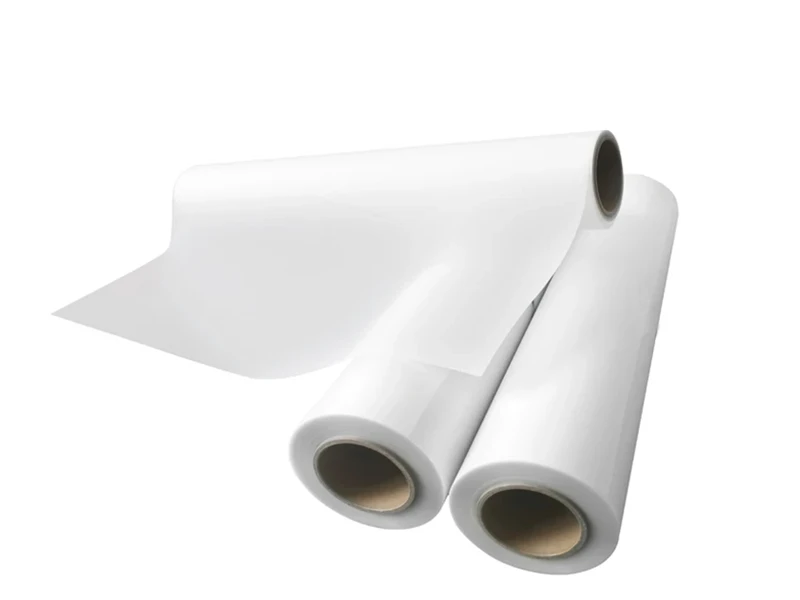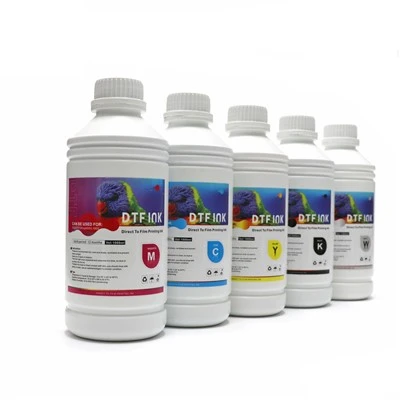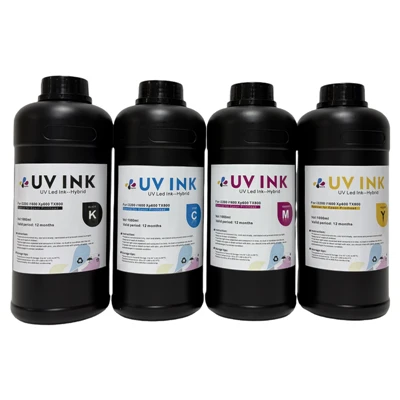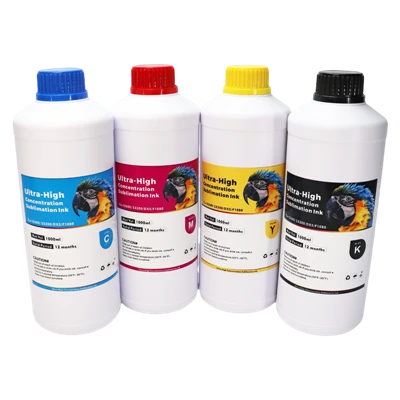
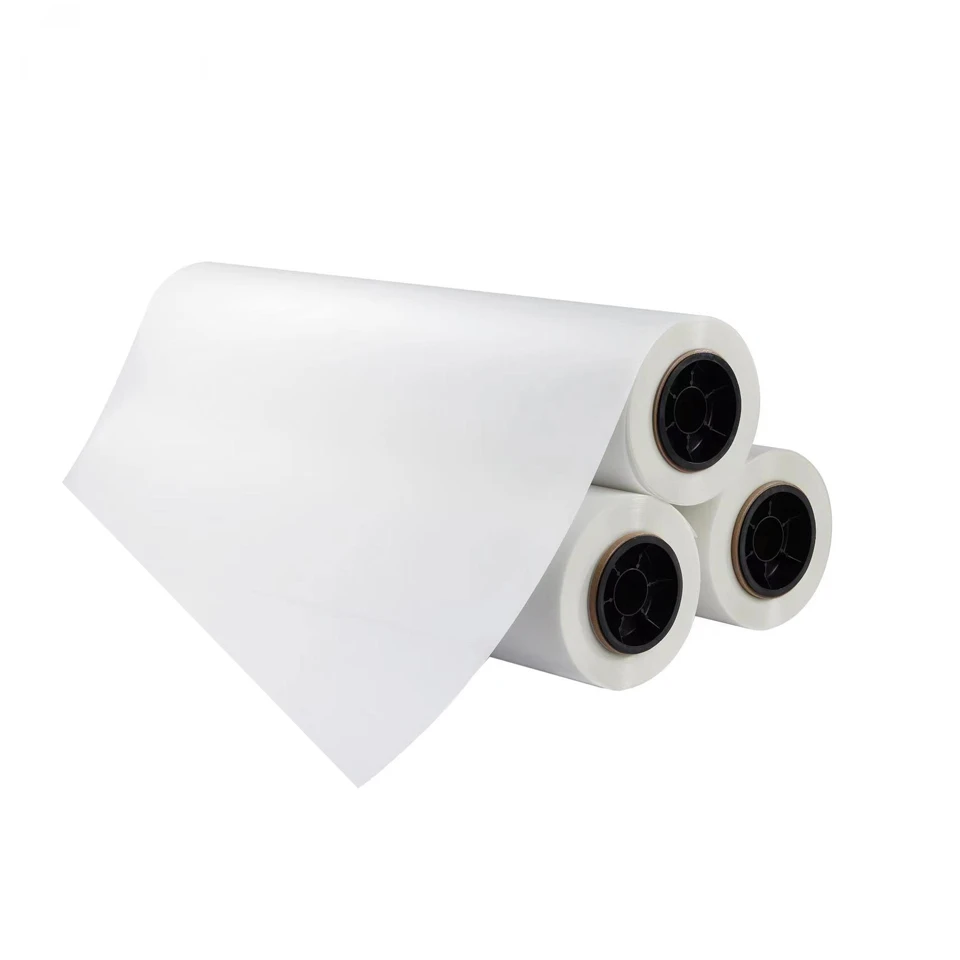
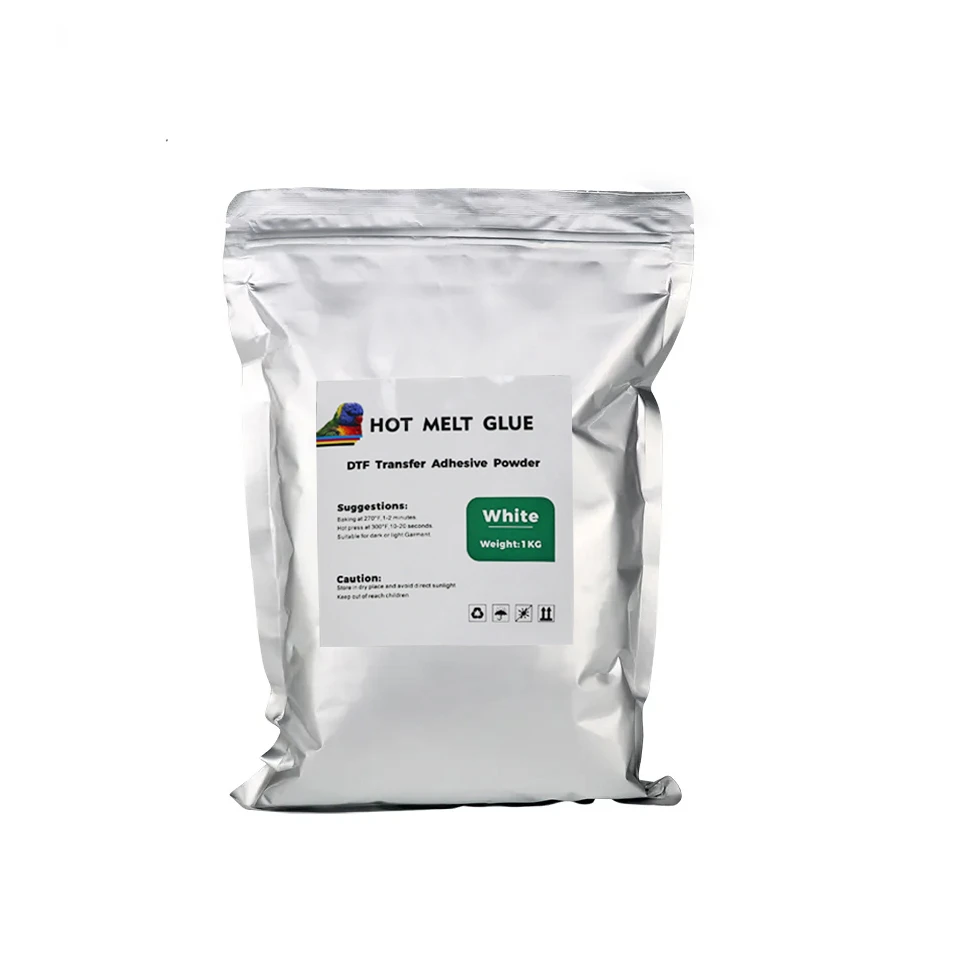
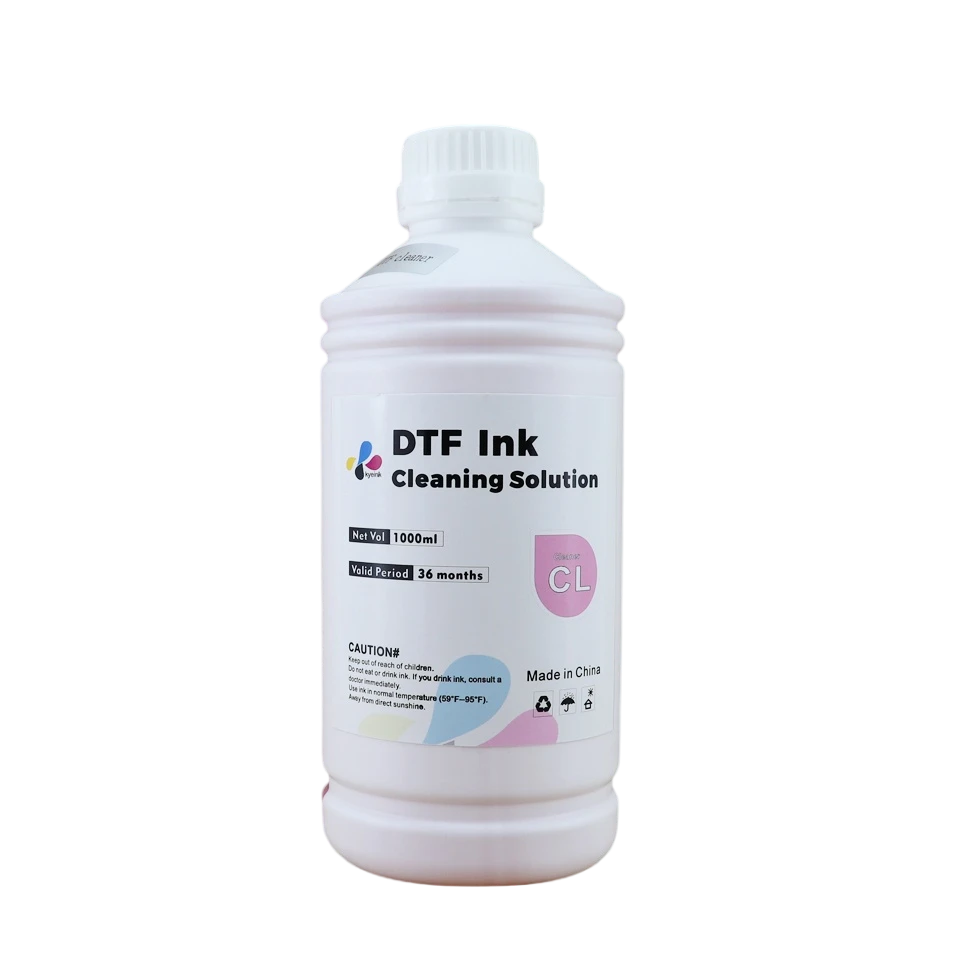
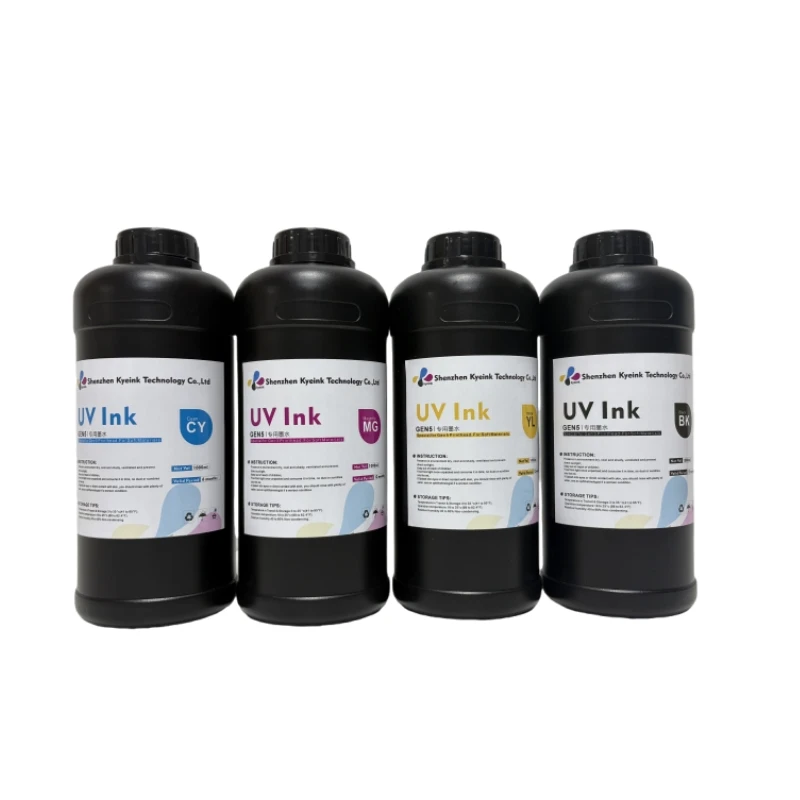
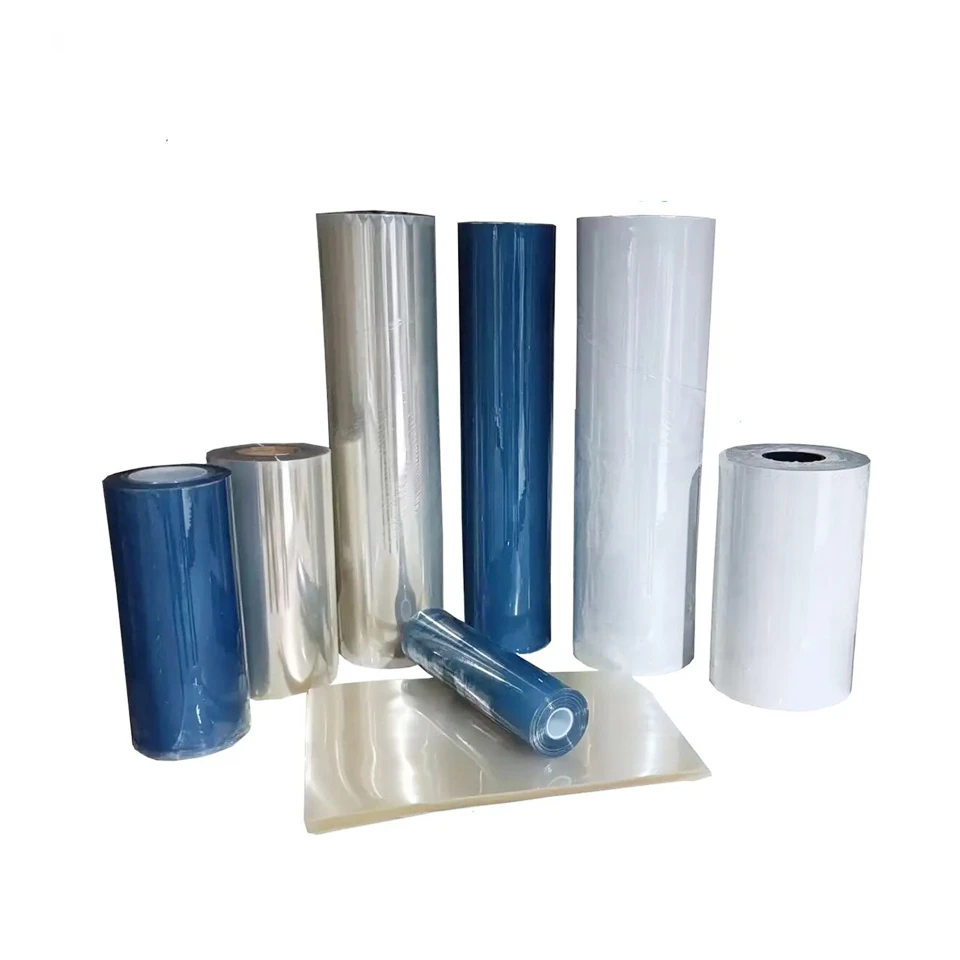
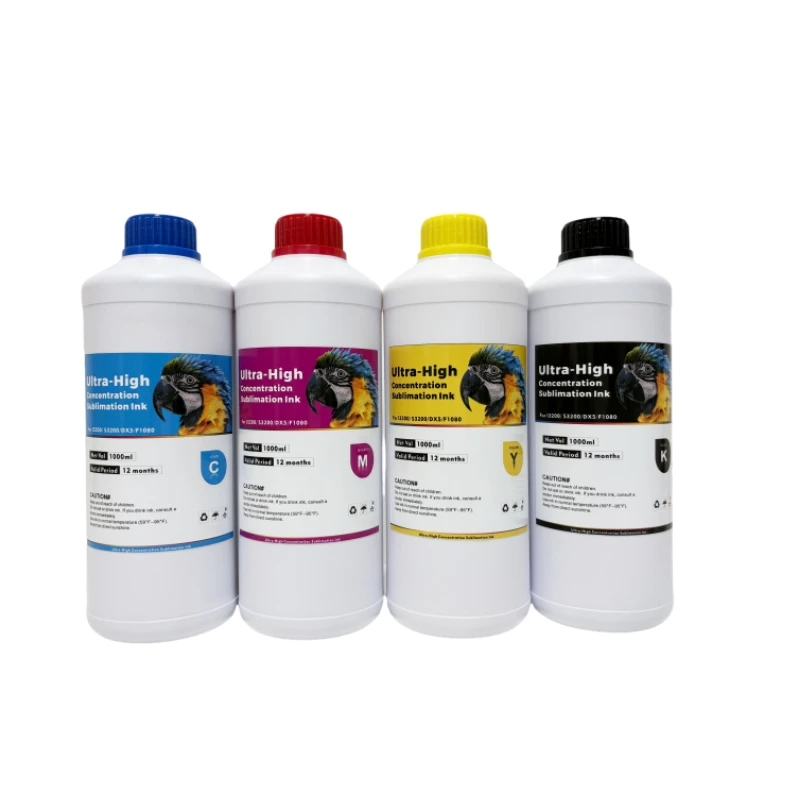
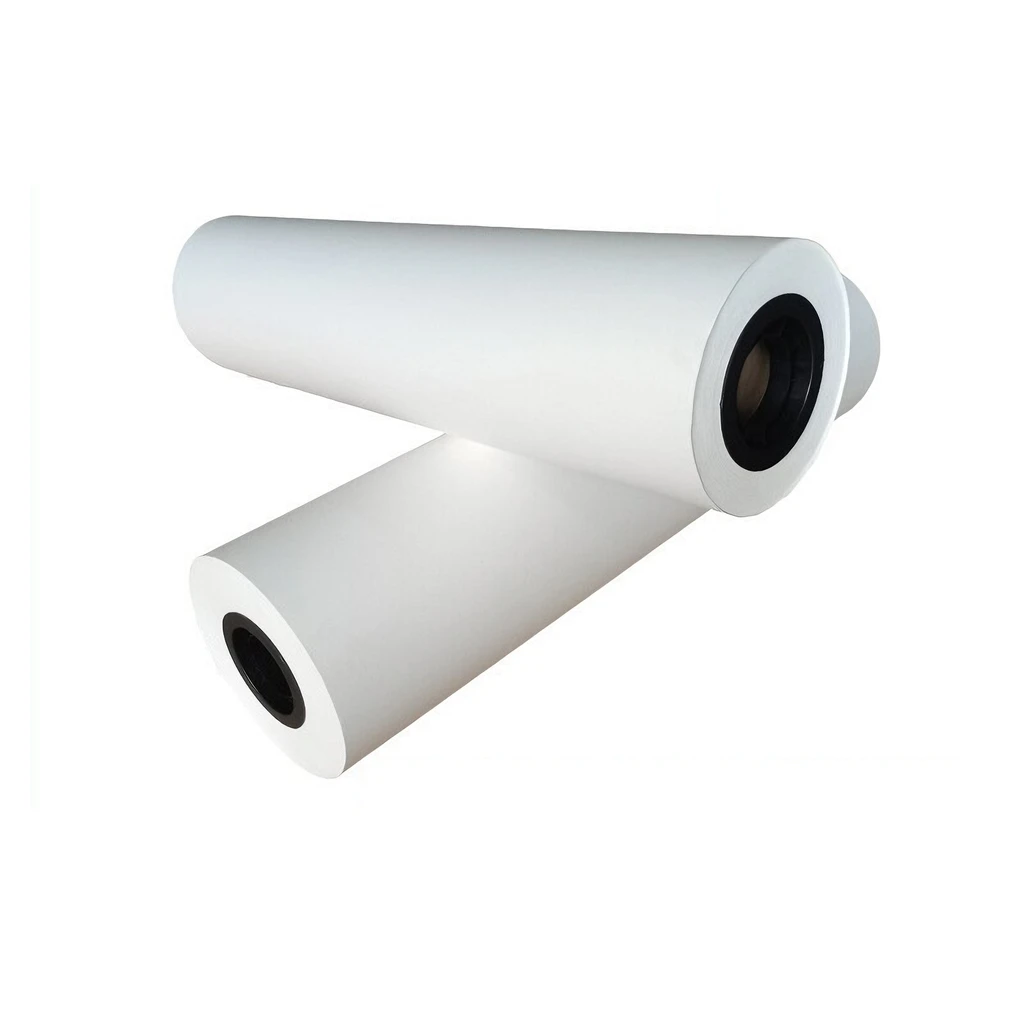

Heat transfer film is a material primarily used for decorative patterning on textiles and garment printing; it typically consists of a base film, a design layer, and an adhesive layer. Its fundamental mechanism involves transferring the design from the film to the fabric surface through the application of heat and pressure, resulting in a clear, durable decorative finish. Compared to traditional direct printing methods, heat transfer film offers greater flexibility regarding equipment and production environments, allowing for the selection of specific film types based on the fabric and desired visual effect. There is a wide variety of heat transfer films available-including transparent, matte, glossy, and colored options, as well as films with special visual effects-each differing in terms of softness, thickness, gloss, and wash durability. Consequently, selecting the appropriate film requires considering factors such as the fabric material, the complexity of the design, and the product's intended use.
Key characteristics of heat transfer film include excellent thermal stability and adhesion. During the heat transfer process, the film must remain stable under specific temperature and pressure conditions, while the adhesive layer softens upon heating to bond effectively with the fabric fibers. Insufficient thermal stability can lead to issues such as deformation, shrinkage, or uneven design edges during processing; conversely, poor adhesion may result in the design detaching or cracking after washing, friction, or prolonged use. Thus, the quality of the film depends not only on the visual quality of the printed design but also on the film's thickness, flexibility, heat resistance, and adhesive properties. For products like garments that undergo frequent bending and washing, the film must possess sufficient flexibility to bend along with the fabric, ensuring that the material's rigidity does not compromise wearing comfort.
In practical applications, heat transfer film is also valued for its ability to render designs vividly and for its high processing efficiency. By utilizing various printing processes and film material combinations, a wide range of visual effects-such as text, lines, graphics, gradients, 3D effects, and metallic finishes-can be achieved, meeting the demand for personalized decoration on products like apparel, luggage, footwear, headwear, and home textiles. The process simply involves creating the design on the appropriate transfer film and then using heat-press equipment to transfer it; unlike traditional printing methods, it eliminates the need for complex color registration and plate making, making it ideal for small-batch production, personalized items, and products with rapid style turnover. Additionally, heat transfer films offer excellent reproduction of intricate details, making them particularly suitable for designs featuring small surface areas, fine lines, or rich color palettes. However, successful application requires careful balancing of heat-press temperature, pressure, and duration, as optimal parameters vary depending on the specific type of film and fabric material used. Only by selecting the right film and precisely controlling processing conditions can one ensure the transferred design achieves high clarity, strong adhesion, and lasting durability.