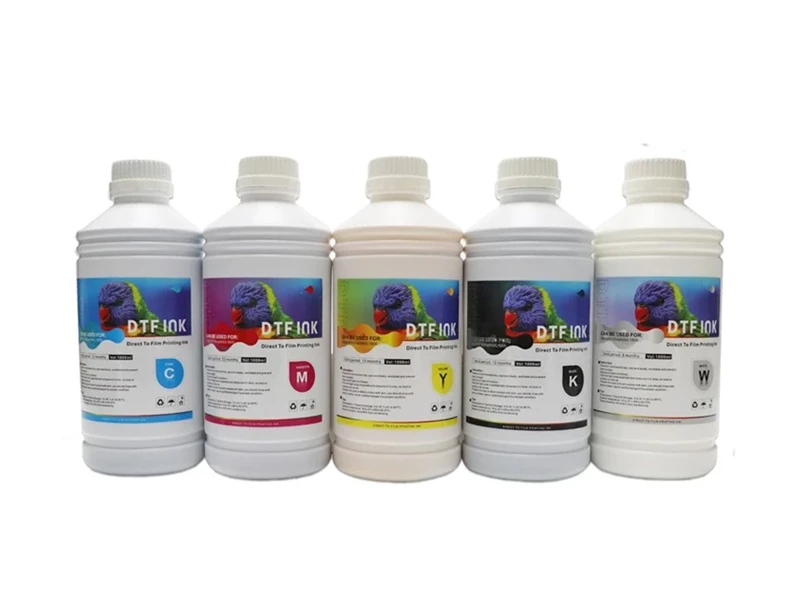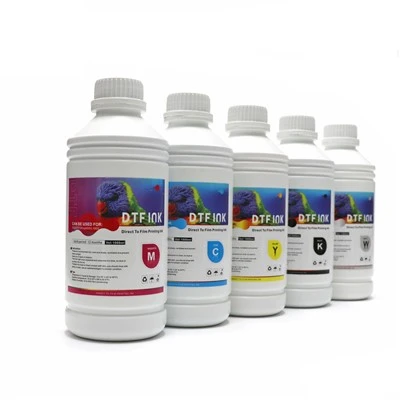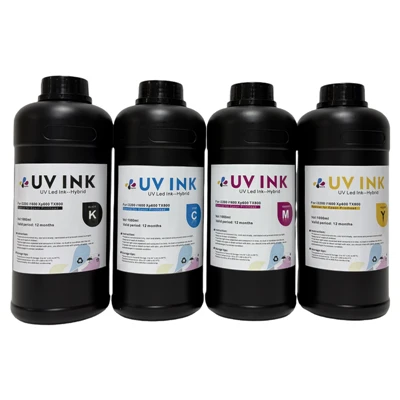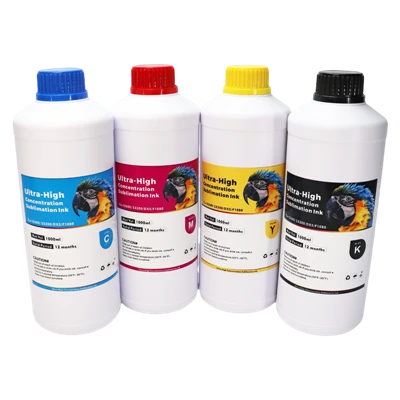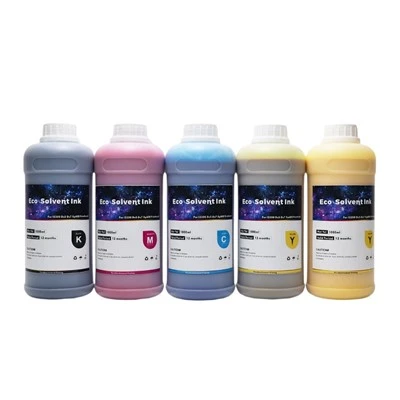
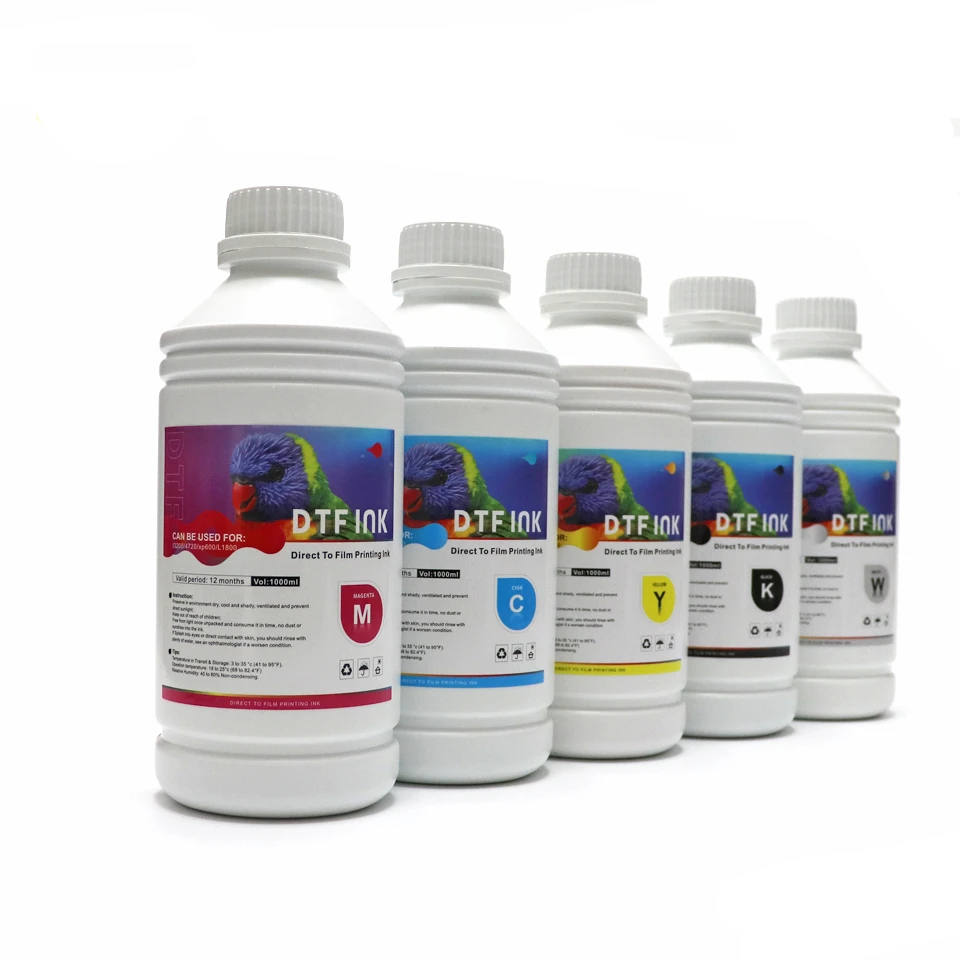
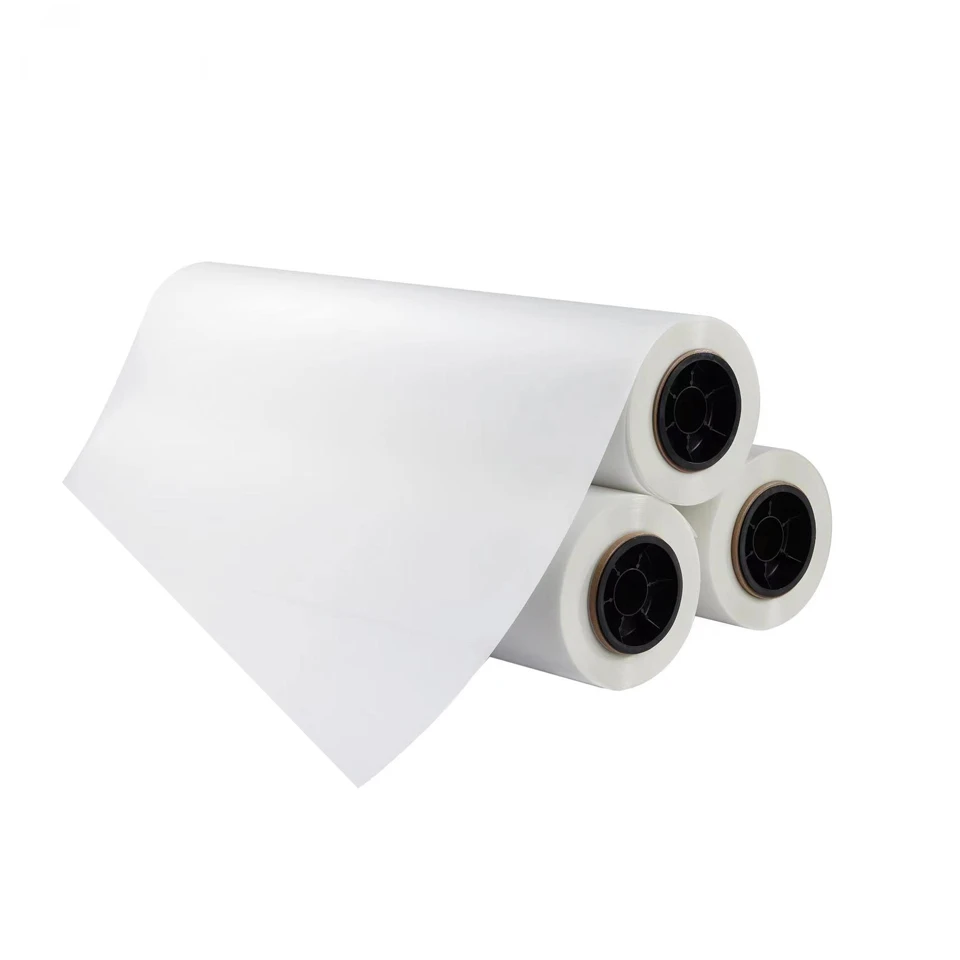
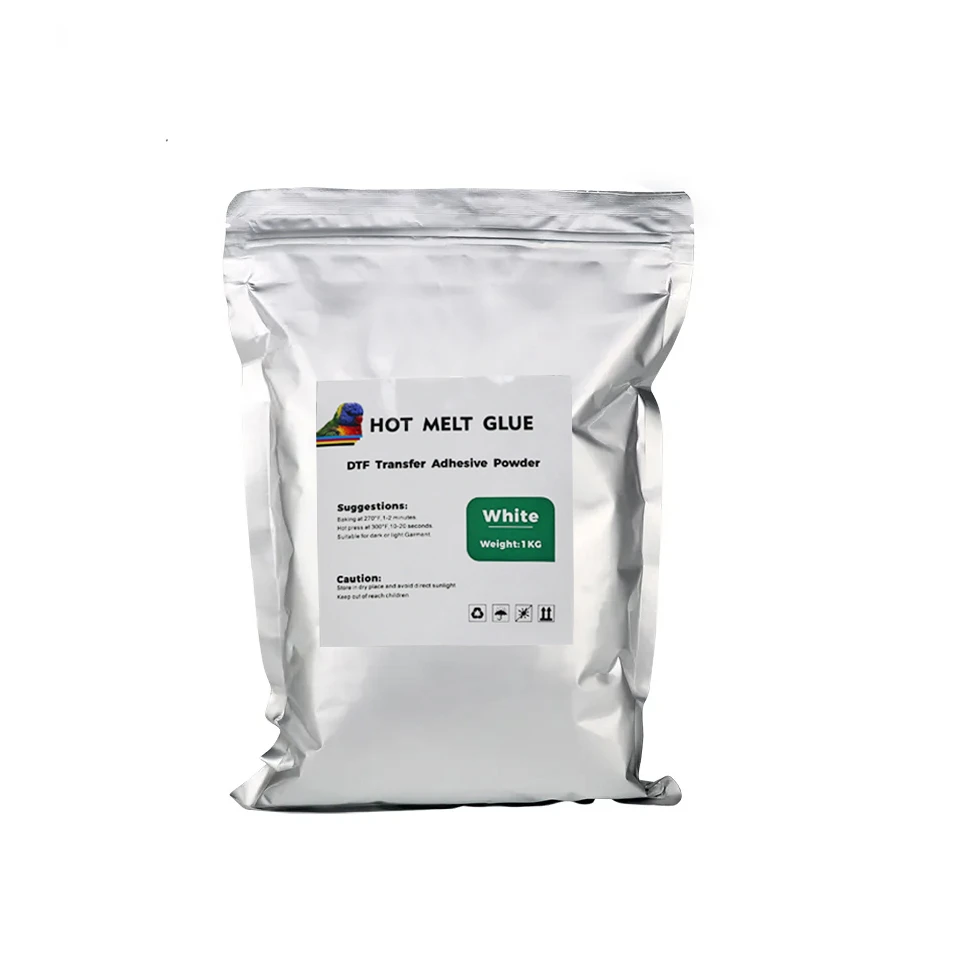
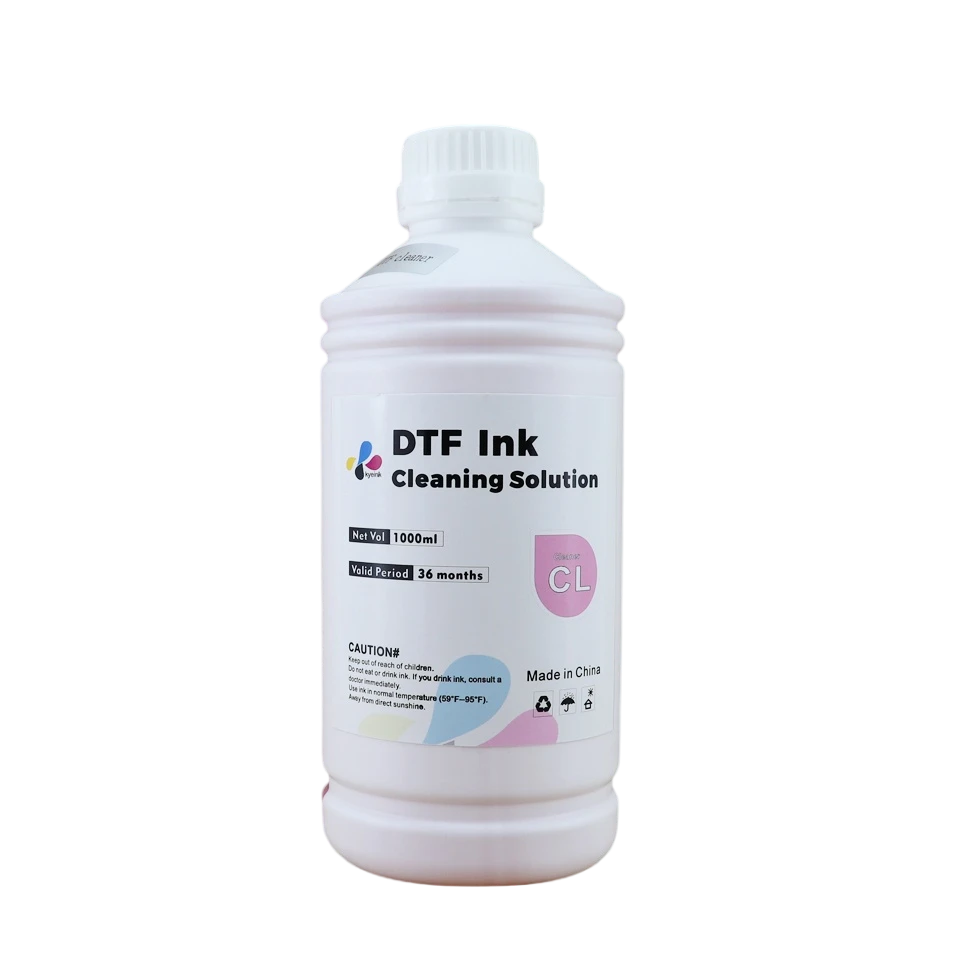
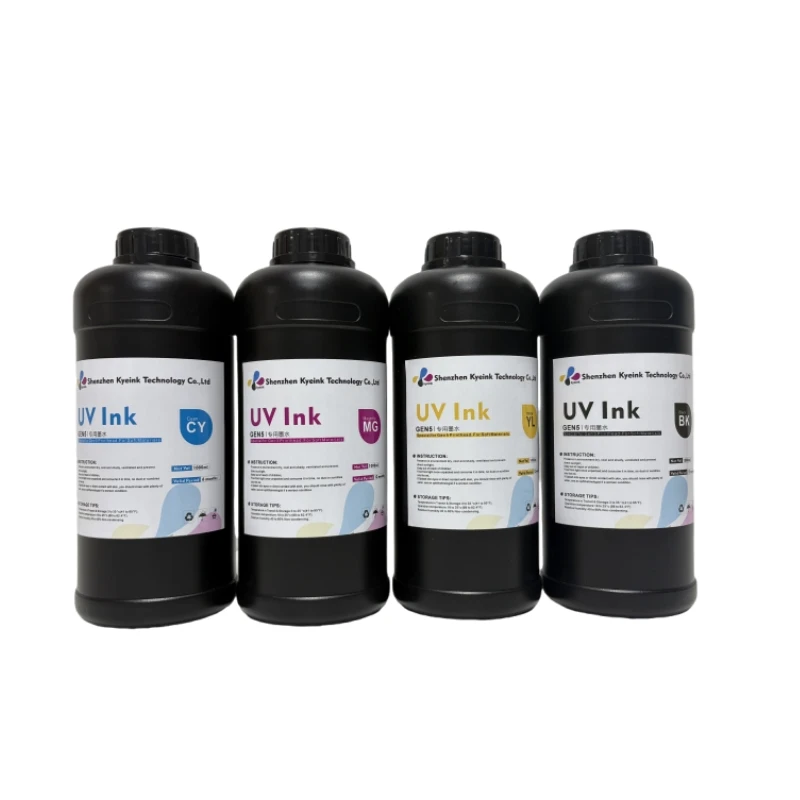
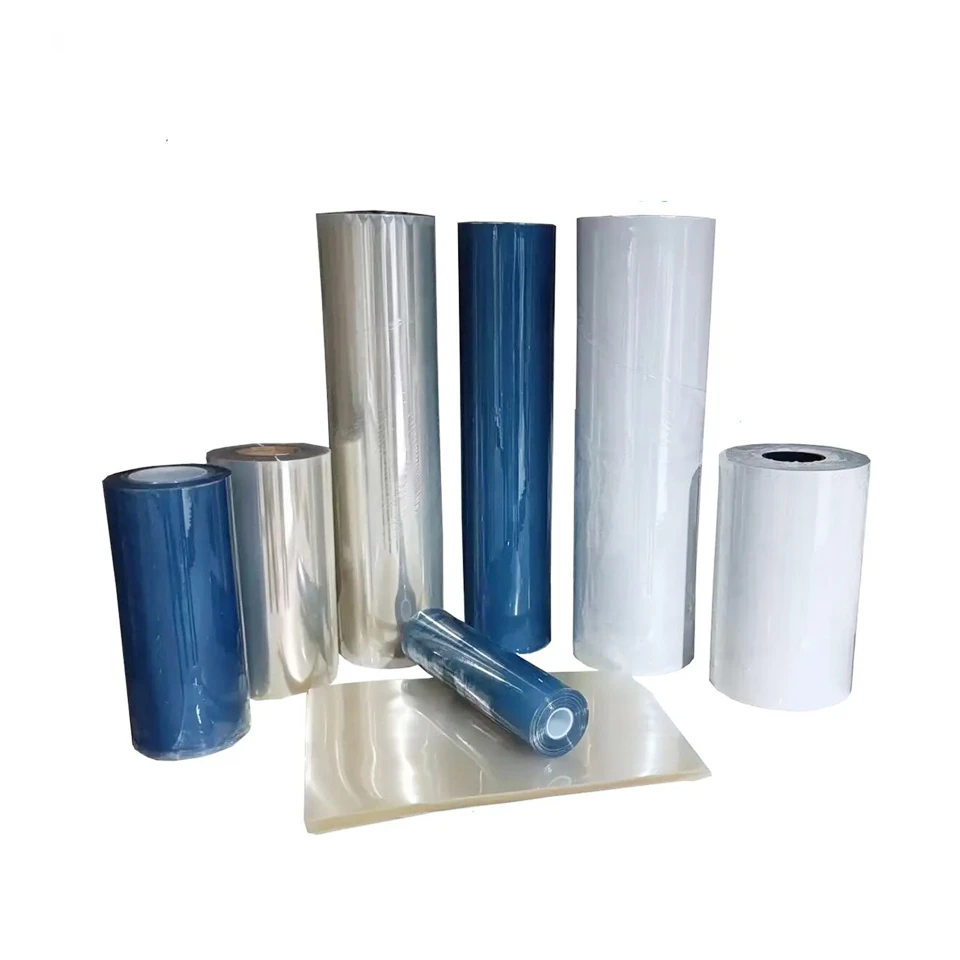
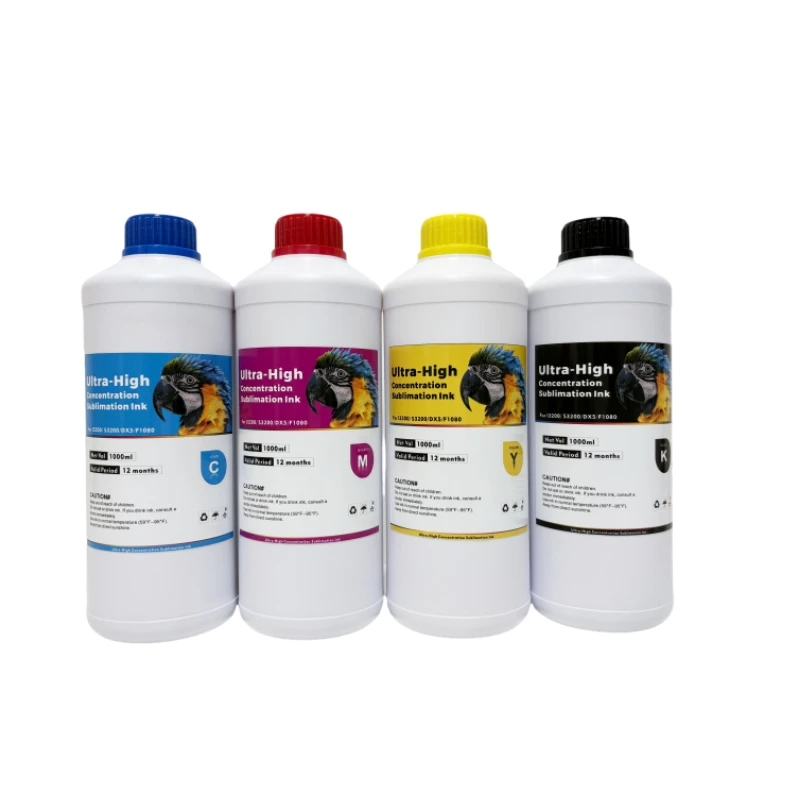
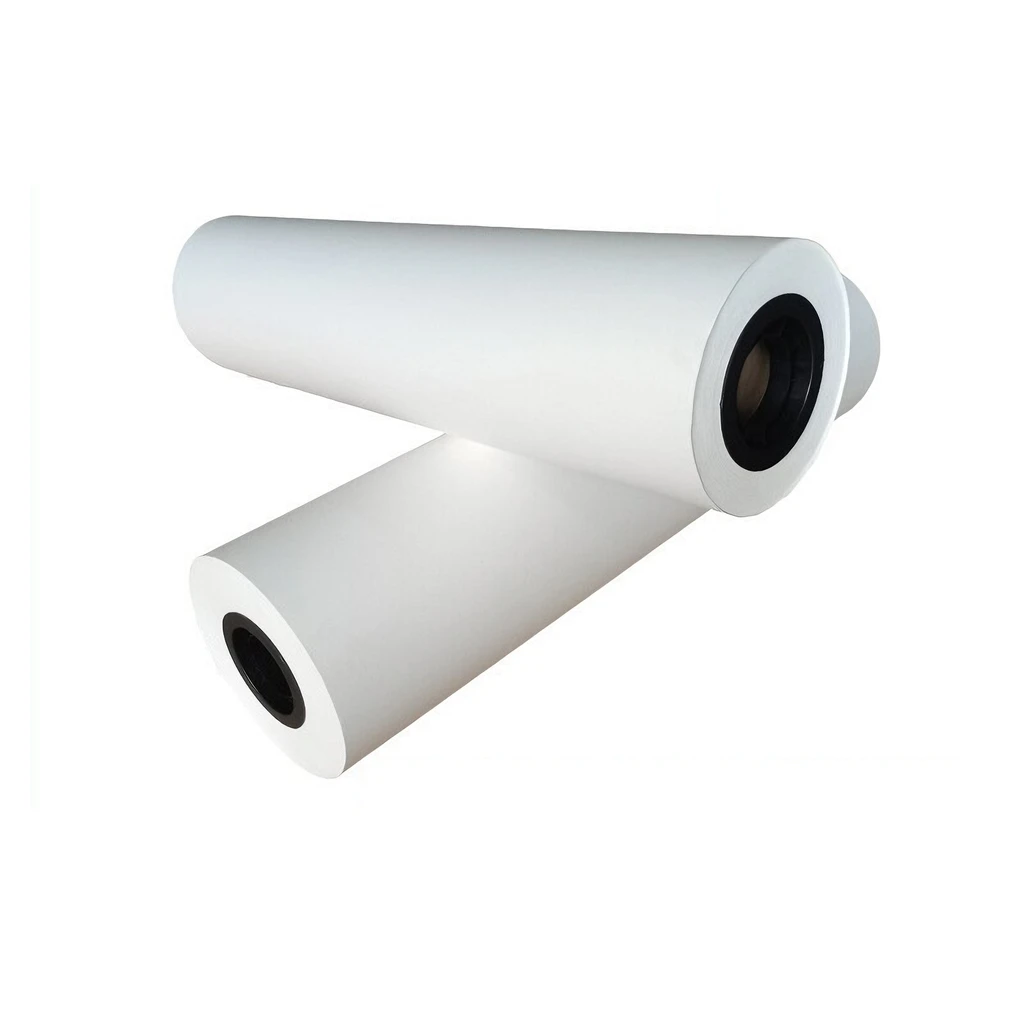
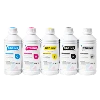
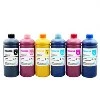

Heat transfer inks are widely used in fields such as heat transfer printing, garment decoration, and personalized customization; one of their standout features is exceptional color performance. High-quality, professionally formulated inks yield vibrant, rich colors while faithfully reproducing intricate details and tonal gradations within the design. Whether the design consists of simple text and logos or complex, colorful imagery, the heat transfer process allows it to be applied to various materials, including garments, canvas bags, and throw pillows. Compared to standard printing methods, these inks offer advantages in color transitions and image clarity, making them ideal for custom apparel and personalized products that demand high visual quality.
Beyond color performance, the ink's adhesion-how well it bonds during actual use-is a critical characteristic. With precise control over temperature, pressure, and timing, the printed design bonds effectively with the transfer medium before being heat-pressed onto the fabric surface. Under normal use, the design resists peeling or edge cracking and retains its original color vibrancy. For garments requiring frequent washing, wash durability directly impacts the product's lifespan; therefore, selecting a stable ink ensures the design remains intact after repeated wear and laundering, thereby minimizing the need for rework or reproduction.
Heat transfer inks also offer flexible application, allowing for adjustments based on specific equipment, transfer films, and fabric types. For small-batch customization, garment workshops, and personalized printing businesses, this process eliminates the need for large inventories; production can be driven by actual customer orders, thereby reducing stock-related pressures. Furthermore, the heat transfer process accommodates a wide range of designs, including text, numbers, photographs, brand logos, and complex graphics. As the markets for custom apparel, creative merchandise, and personalized printing continue to grow, the practical value of heat transfer inks-driven by their superior color, adhesion, and processing flexibility-is garnering increasing attention in the industry.