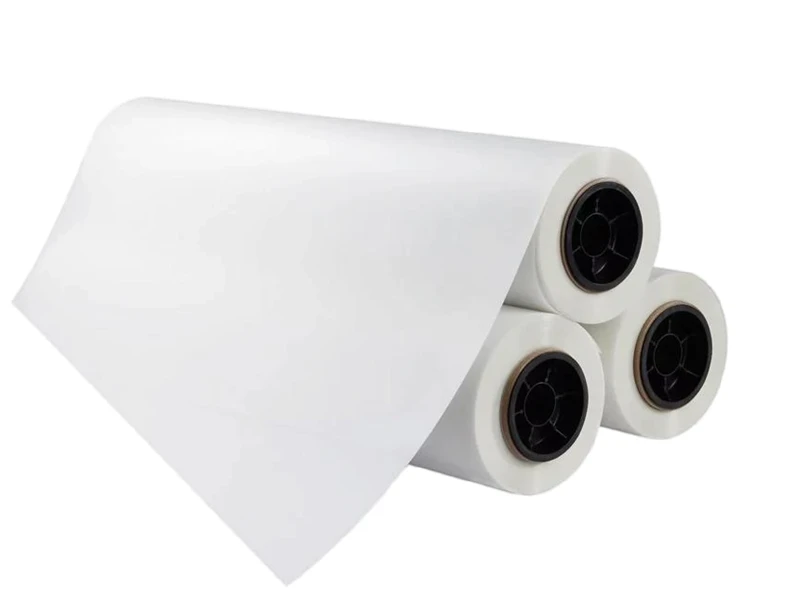
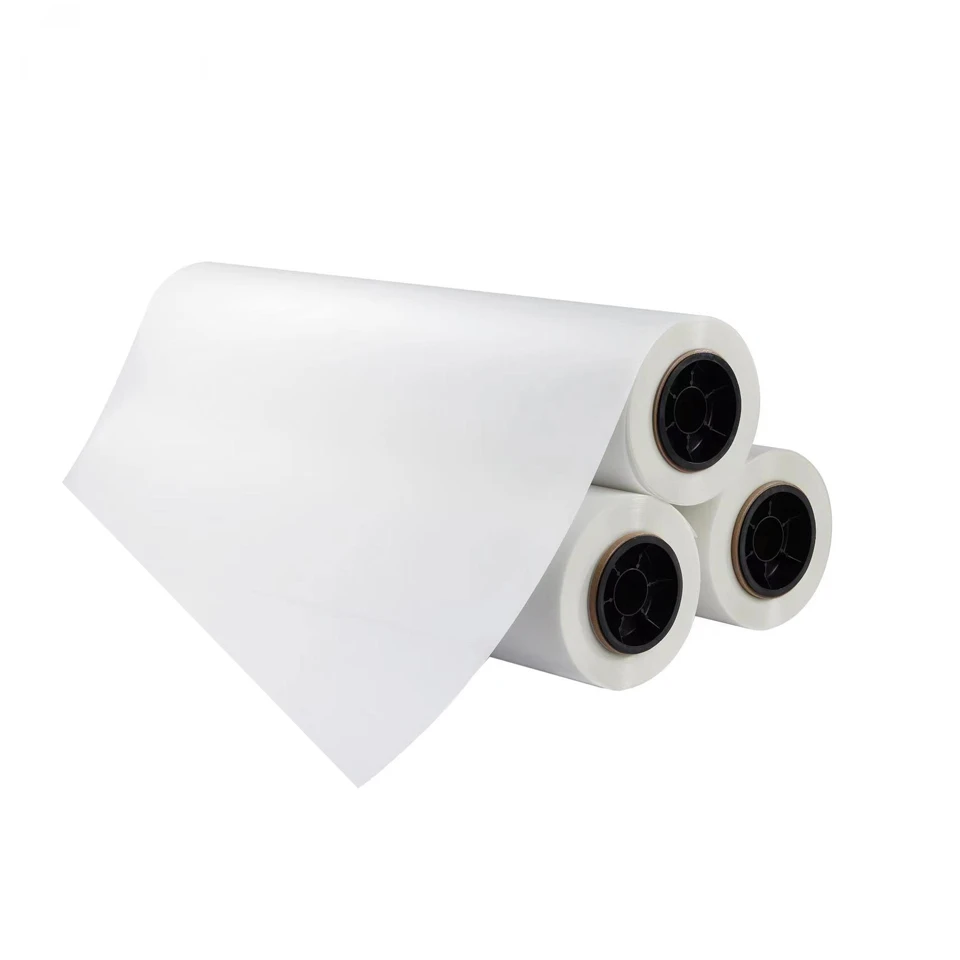
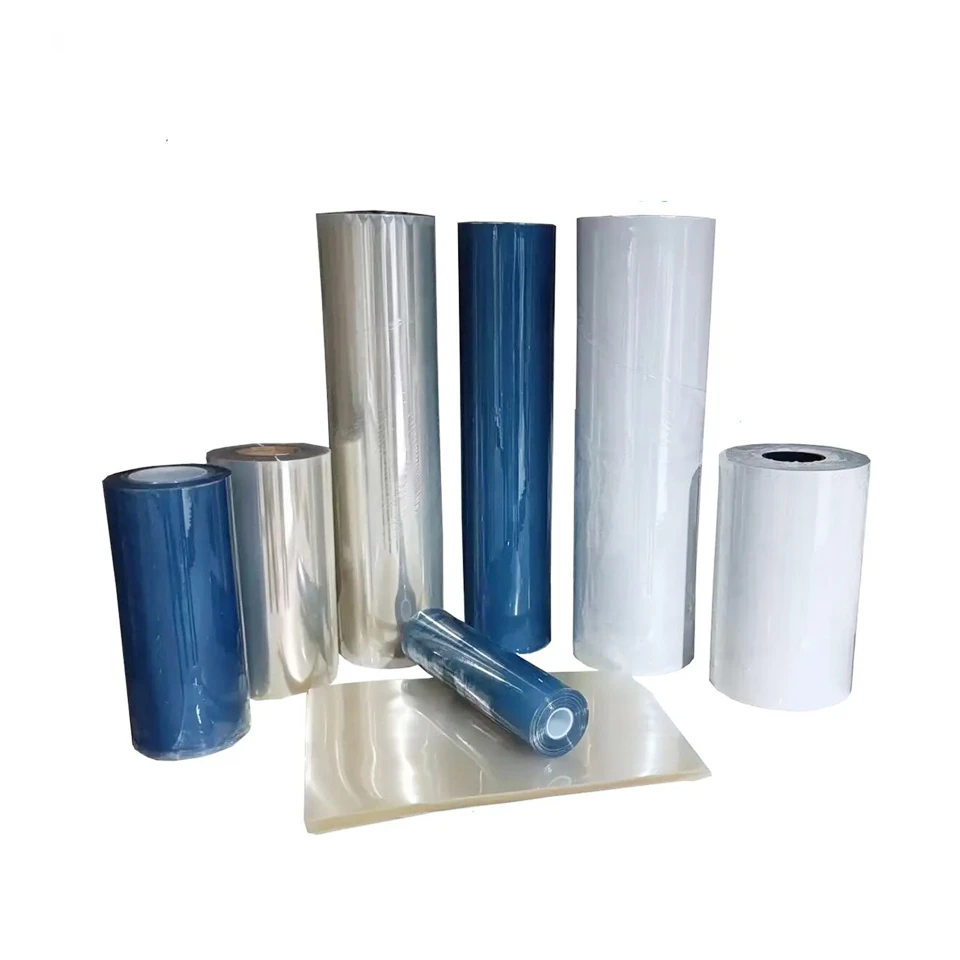

When selecting a crystal film, first clarify your specific needs. Crystal films on the market vary in terms of material, thickness, light transmission, and flexibility; a higher price does not necessarily mean the product is the best fit for you. Before purchasing, identify the intended application-such as mobile phones, tablets, car interiors, or other surfaces requiring protection-as different uses demand different levels of hardness and abrasion resistance. If daily scratch protection is the priority, focus on surface hardness and wear resistance; if visual quality matters most, pay attention to light transmission and clarity. High-quality crystal films usually feature a smooth surface and, once applied, are less prone to noticeable air bubbles, rainbow effects, or a grainy texture that could detract from the visual experience. When shopping, also check for uniform thickness, smooth edges free of burrs, and resistance to creasing; these details often reflect the quality of the manufacturing process.
The material and tactile feel of the crystal film are also crucial factors. Some products look perfectly clear upon initial application but are prone to scratching, yellowing, or edge lifting after a period of use, so do not judge solely by the appearance right out of the package. When buying, focus on the film's wear resistance, resistance to yellowing, and the stability of the adhesive layer. The quality of the adhesive layer directly impacts the long-term user experience. A poor-quality adhesive can lead to stubborn air bubbles during application and leave unsightly residue upon removal, whereas a product with good adhesion properties will typically maintain a uniform bond with the surface when applied correctly. Additionally, select a product suited to your specific environment. If the film will be frequently exposed to sunlight, high temperatures, or humidity, prioritize weather resistance rather than relying solely on appearance or advertised specifications.
Regarding price, it is wise to make a rational comparison rather than assuming that "expensive means better." When purchasing a crystal film, evaluate factors such as material, dimensions, thickness, optical clarity, wear resistance, and after-sales service side-by-side. Some lower-priced products have a shorter actual lifespan and require replacement after a while, meaning they may not necessarily be more cost-effective in the long run; conversely, higher-priced products that merely add rarely used features may not be essential for the average user. When comparing brands and products, look beyond the specifications listed on the product page and consider feedback from actual users regarding fit, clarity, scratch resistance, and durability. If you plan to install the screen protector yourself, check whether the product includes alignment tools, cleaning kits, and detailed installation instructions, as these accessories can significantly simplify the process. Ultimately, the key to choosing a crystal screen protector is to consider your specific needs and usage environment, striking the right balance between performance, price, and long-term maintenance, rather than focusing solely on a single specification.