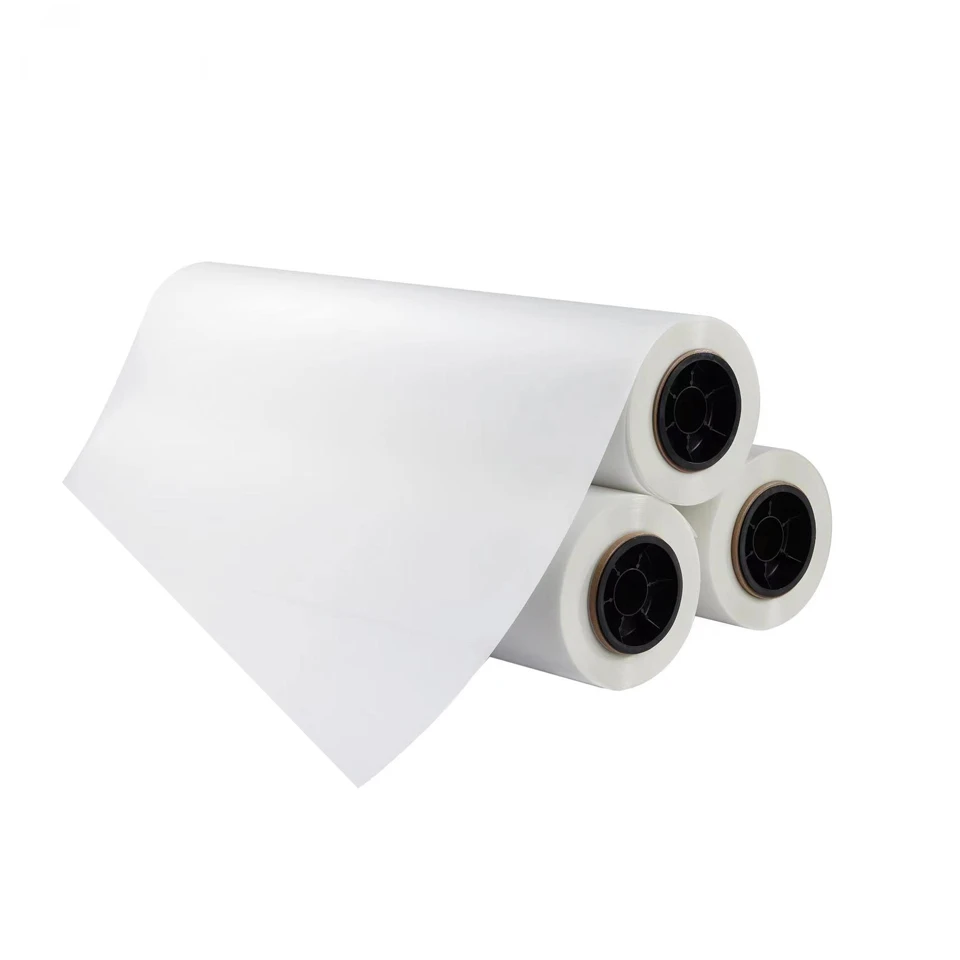
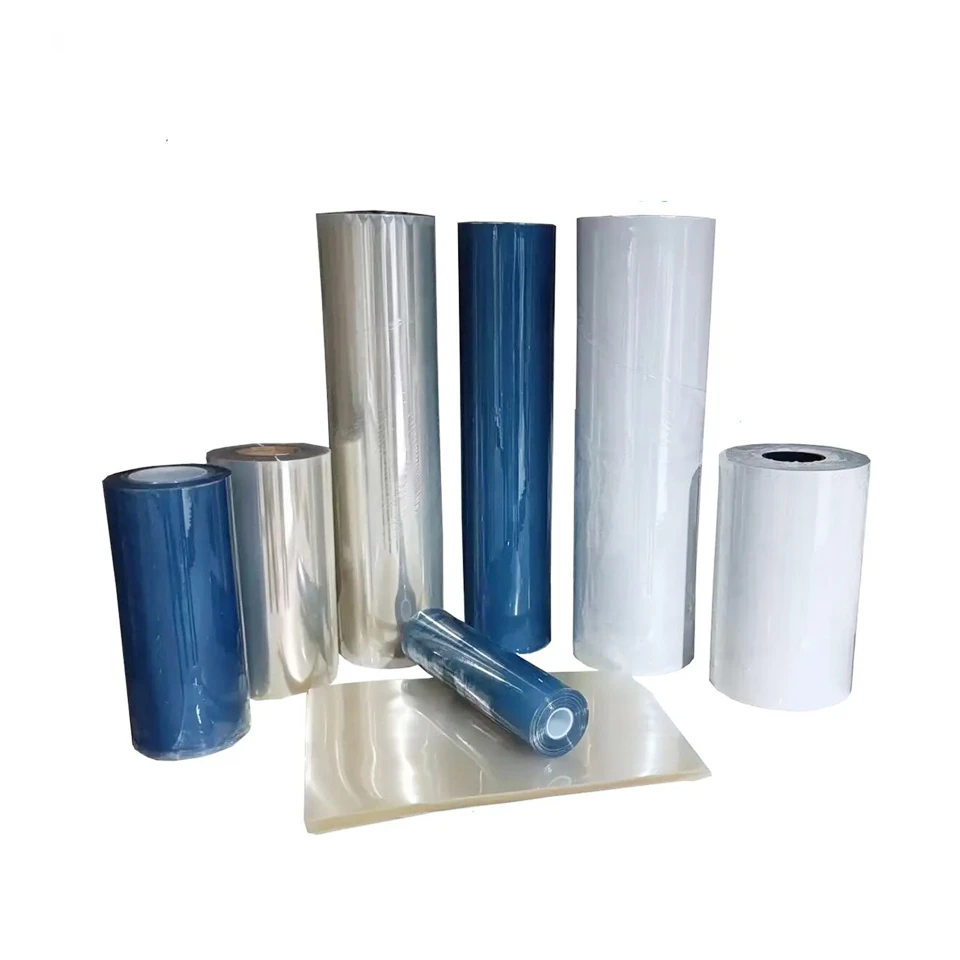

Crystal film has a wide range of applications, commonly found in architectural decoration, home renovation, and commercial spaces. In architectural settings, it is used on glass curtain walls, windows, partitions, sunrooms, and decorative glass surfaces; by combining various colors, textures, and light-transmission properties, it transforms the otherwise plain appearance of the glass. For public spaces such as offices, hotels, shopping malls, and showrooms, crystal film can be customized to match the overall interior design, adding decorative flair while maintaining the glass's transparency. Certain specialized films also offer privacy screening, light modulation, and surface protection, making them increasingly popular in modern architectural design.
In residential settings, crystal film is applied to areas such as kitchens, bathrooms, living rooms, bedrooms, and balconies-specifically on glass doors, windows, cabinet doors, shower enclosures, and interior partitions. While clear glass makes a space feel bright, excessive transparency can be inconvenient in areas requiring privacy. Crystal film allows for the decorative enhancement of existing glass through effects like frosting, translucency, gradients, and patterns, improving the visual appeal without the need to replace the original glass. It offers a flexible renovation solution for existing homes, as the film can be cut and installed to fit specific dimensions, making it ideal for refurbishing old glass, adding decorative accents, or updating the home's style.
Crystal film is also widely used in commercial displays and personalized décor. Retail stores, brand outlets, restaurants, cafés, beauty salons, hotels, and offices often utilize glass doors, storefront windows, and partitions to showcase branding or create a specific atmosphere. Crystal film can incorporate corporate logos, text, patterns, and decorative elements, giving ordinary glass a distinctive visual identity. Furthermore, in exhibition, event, and advertising contexts, the film material and patterns can be easily changed to suit different themes. As demands for aesthetic appeal, privacy, and personalization in interior design continue to rise, the application of crystal film has expanded beyond simple glass decoration to encompass functional partitioning, brand display, spatial design, and more.