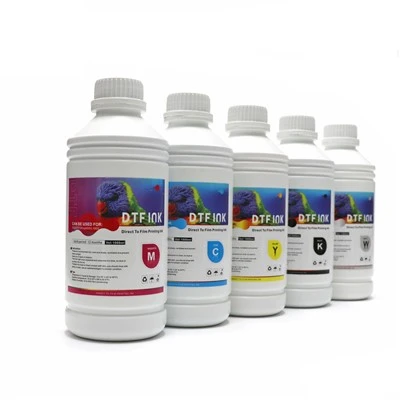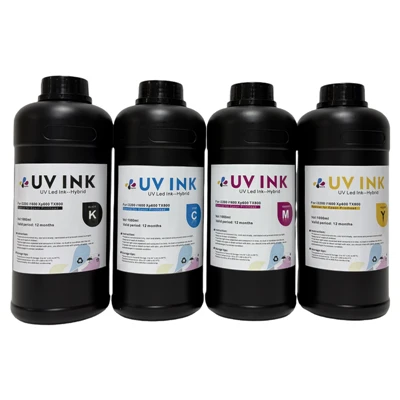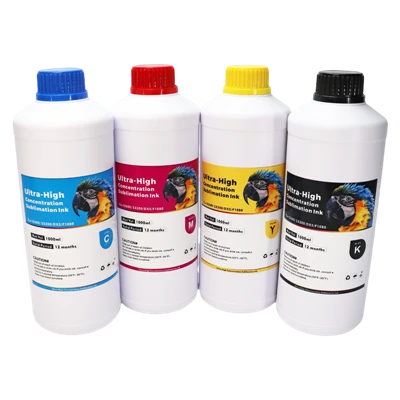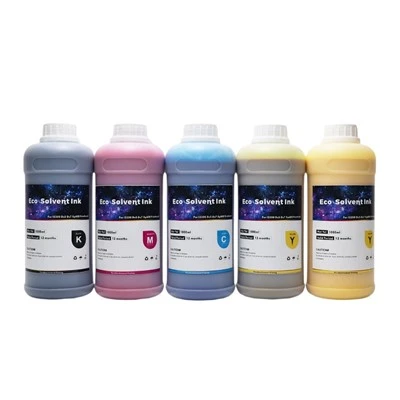
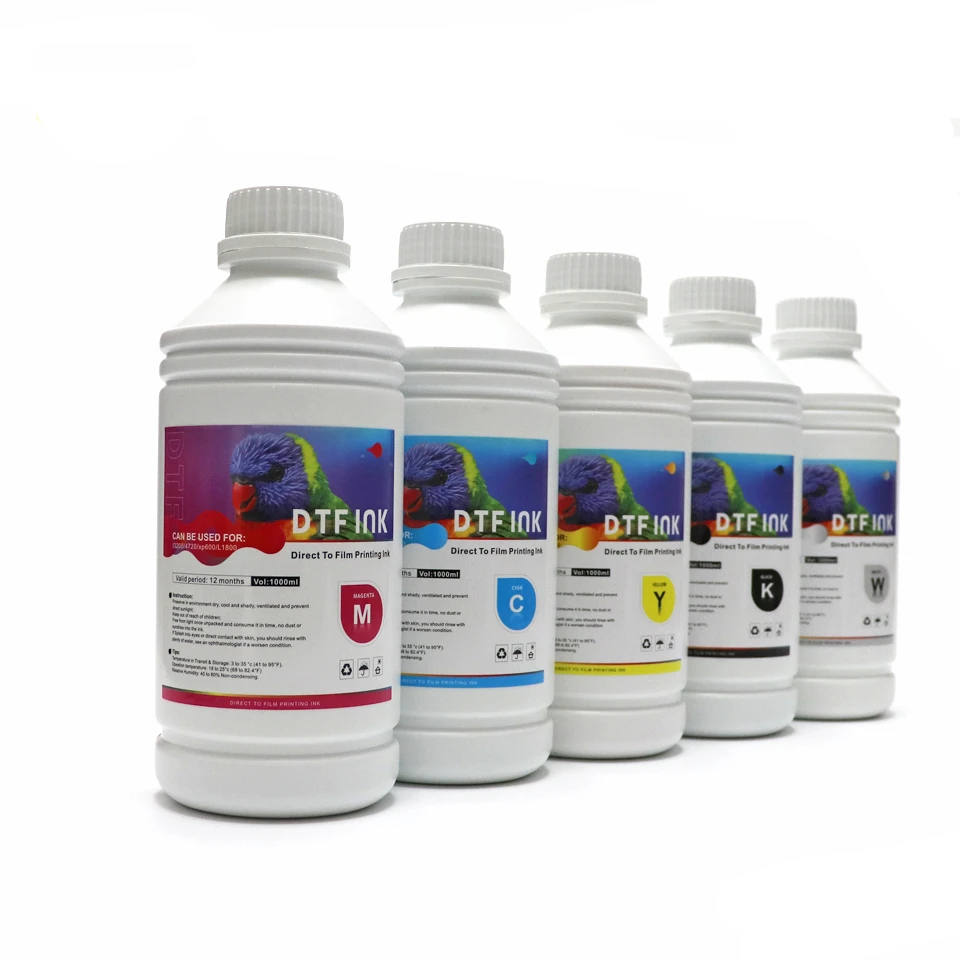
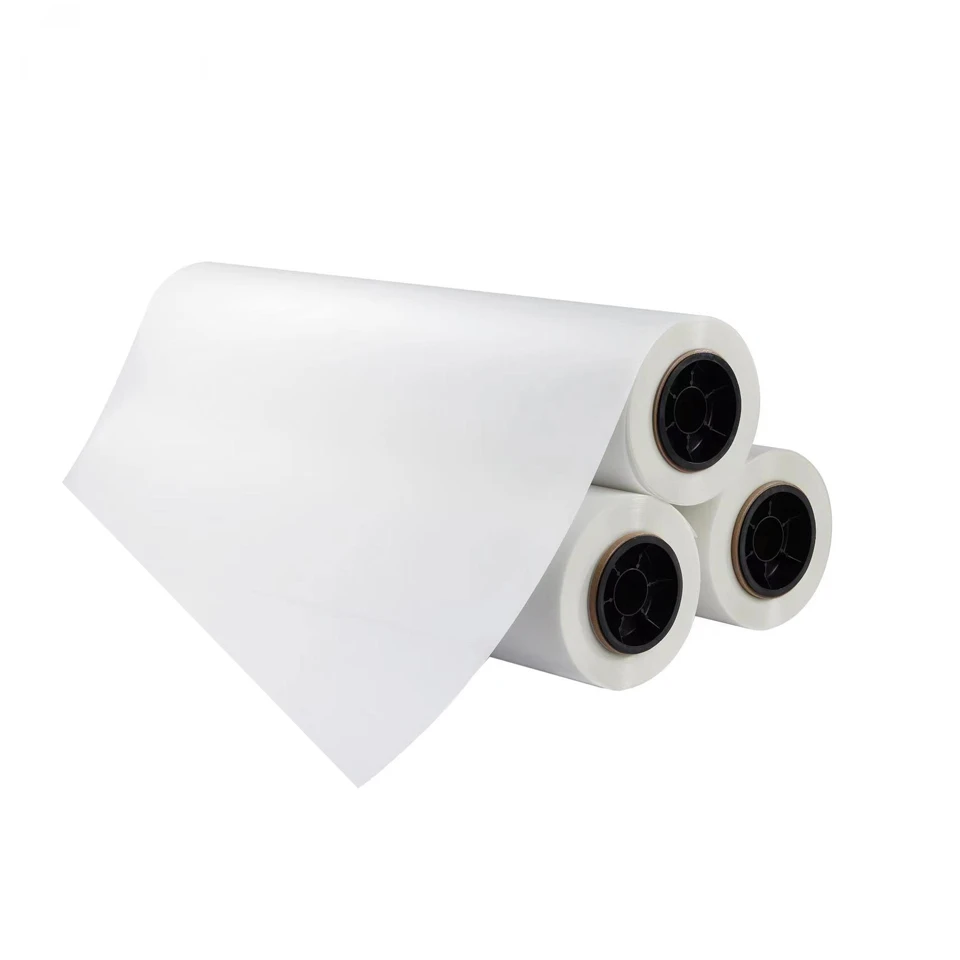
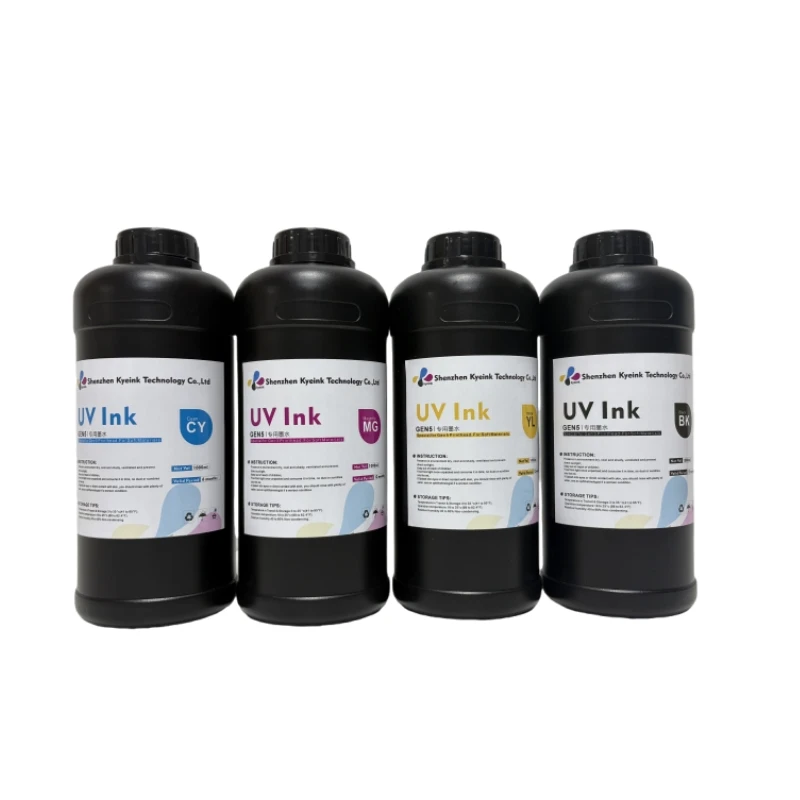
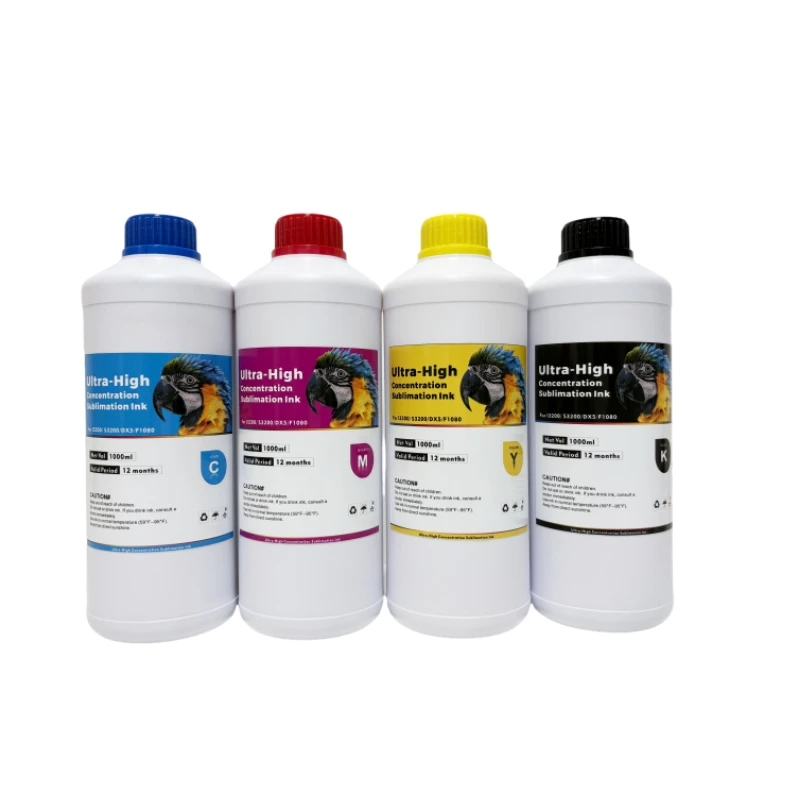
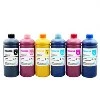

UV crystal label inks are primarily categorized by their effects and curing methods. Common types include UV transparent ink, UV white ink, and colored UV ink. Transparent ink is typically used to protect the surface of crystal labels and enhance their 3D effect, making the design appear more transparent and glossy. White ink mainly serves as a base and masking agent, especially suitable for dark or transparent materials, allowing subsequent colored designs to appear more vibrant. Colored UV ink is responsible for rendering the specific design and color; common colors include black, cyan, magenta, and yellow.
Different types of UV crystal label inks have different characteristics when used. White ink requires high hiding power and adhesion; insufficient whiteness can lead to a grayish color and an incomplete design. Colored ink prioritizes color reproduction and stability, requiring uniform color distribution during printing to avoid color casts or ink breaks. While transparent ink has a less pronounced color, it significantly affects the gloss, thickness, and 3D effect of the finished product, thus requiring selection based on equipment and processes.
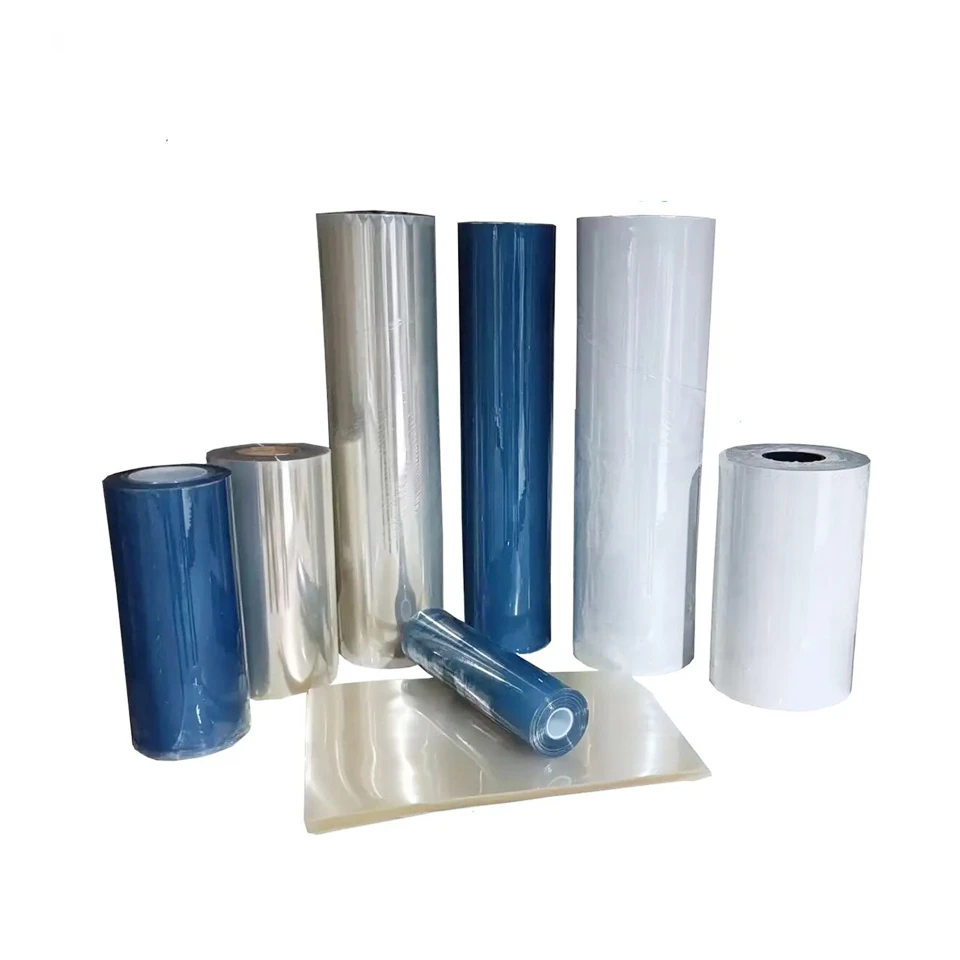
When choosing UV crystal label ink, one should not only consider the ink's color but also the printing equipment, substrate, and subsequent processes. For example, different brands and models of UV printers have different ink compatibility requirements, and the PET film and adhesive used in crystal labels can also affect ink adhesion. If the primary goal is to achieve vibrant patterns, focus on the color performance of colored inks; if a three-dimensional effect and surface finish are more important, pay attention to the combination of white and transparent inks. In actual production, it is usually necessary to conduct tests based on the specific product's desired effect before determining the appropriate ink type.