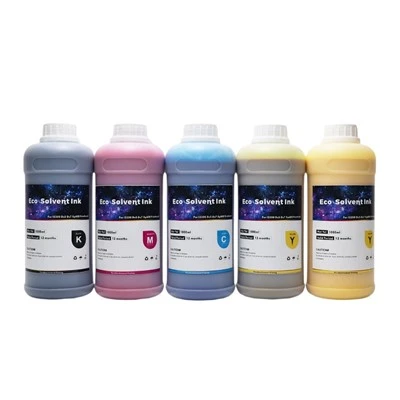
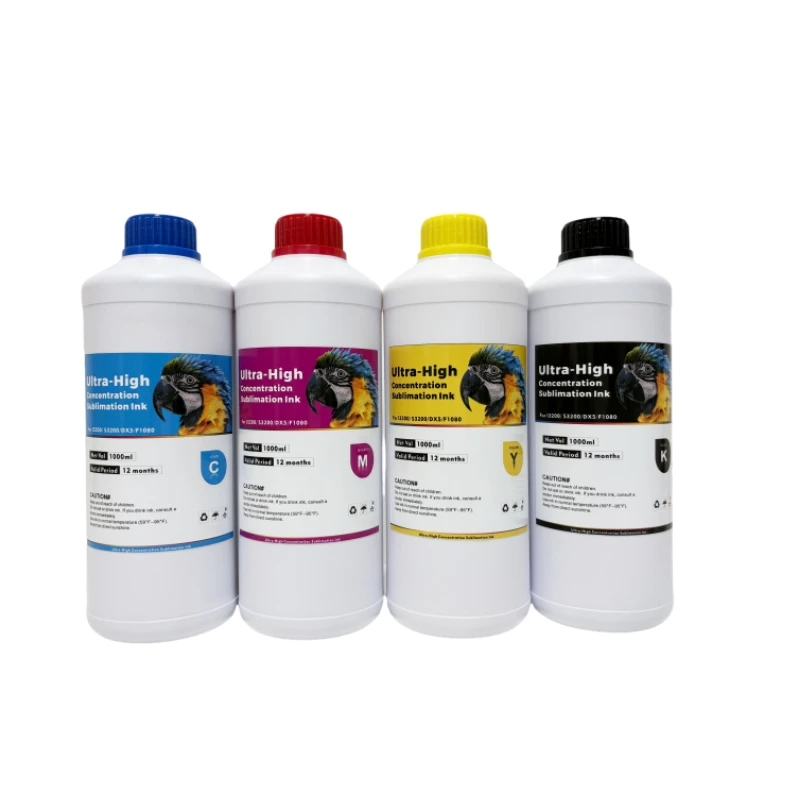


Solvent-based inks are a type of printing ink that uses organic solvents as the primary dispersion and dissolution medium. Their physical properties directly affect the stability of the printing process and the final printing effect. Typically, solvent-based inks need suitable viscosity and surface tension to ensure smooth passage through the printhead or printing screen and the formation of a uniform ink layer on the substrate surface. Excessive viscosity can cause poor ink supply, while excessively low viscosity may lead to ink splatter, ink penetration, or diffusion at the edges of the pattern. Therefore, in practical applications, the flow properties of the ink need to be adjusted according to the printing equipment, printhead structure, and substrate type.
Volatility is one of the most important physical characteristics of solvent-based inks. After printing, the solvent needs to evaporate quickly so that the pigments or dyes and resin components can gradually solidify on the substrate surface. The evaporation rate of the solvent is affected by factors such as boiling point, ambient temperature, airflow, and ink layer thickness. If the evaporation rate is too fast, it may cause problems such as ink drying and clogging at the printhead; if the evaporation rate is too slow, it will prolong the drying time and may affect subsequent processing. Therefore, in practical formulations, it is usually necessary to control the evaporation rate by combining different solvents to meet the requirements of printing speed and drying conditions.
In addition to viscosity, surface tension, and volatility, solvent inks should also have good storage stability and adaptability. Within a certain storage period, the ink should maintain a relatively uniform state, avoiding significant sedimentation, stratification, or agglomeration. Simultaneously, the wettability between the ink and the substrate also affects its spreading and adhesion. Different plastics, metals, glass, and other substrates have different surface properties; therefore, the formulation of solvent inks needs to be adjusted according to the specific materials. Overall, the physical properties of solvent inks are not determined by a single indicator, but are the result of the combined effects of multiple properties such as viscosity, surface tension, volatility, wettability, and storage stability.