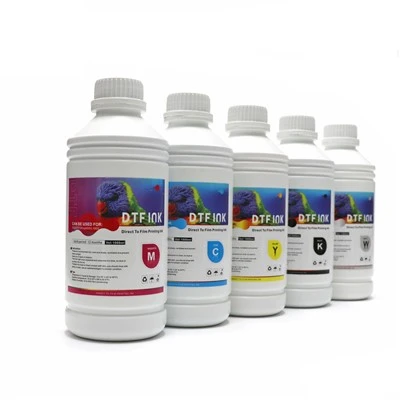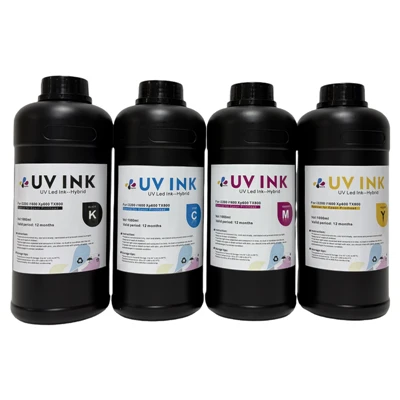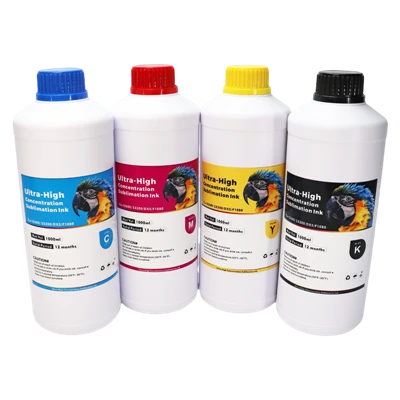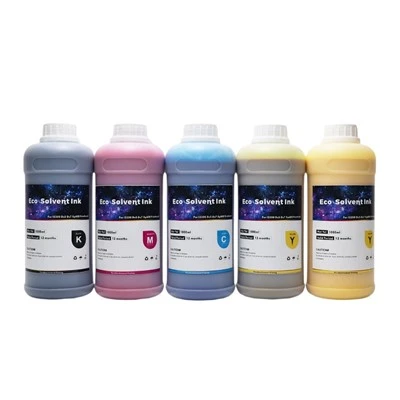
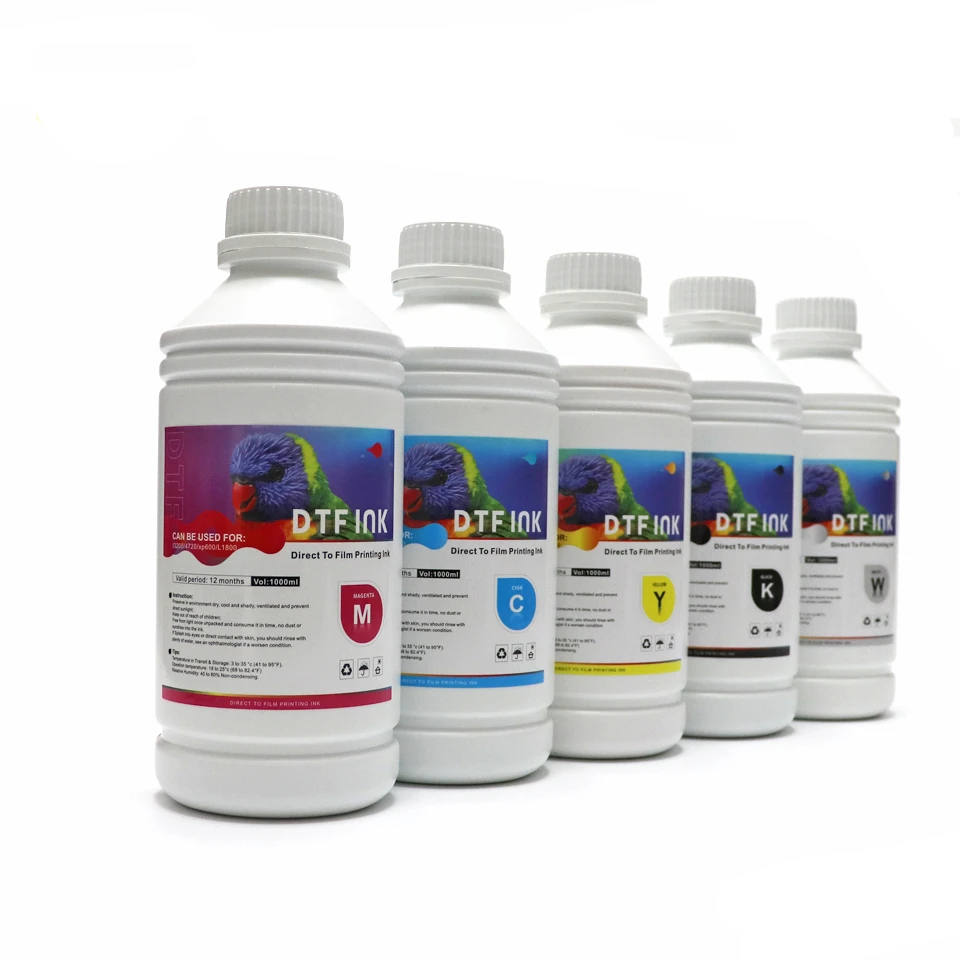
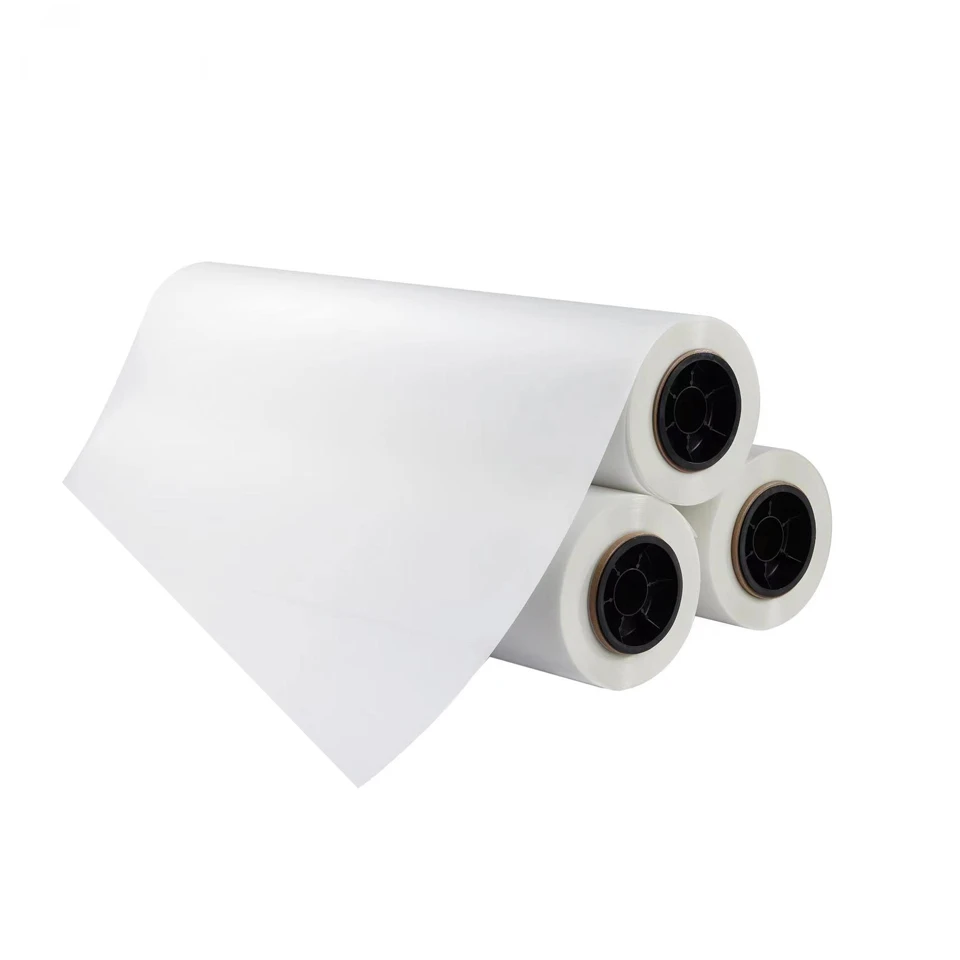
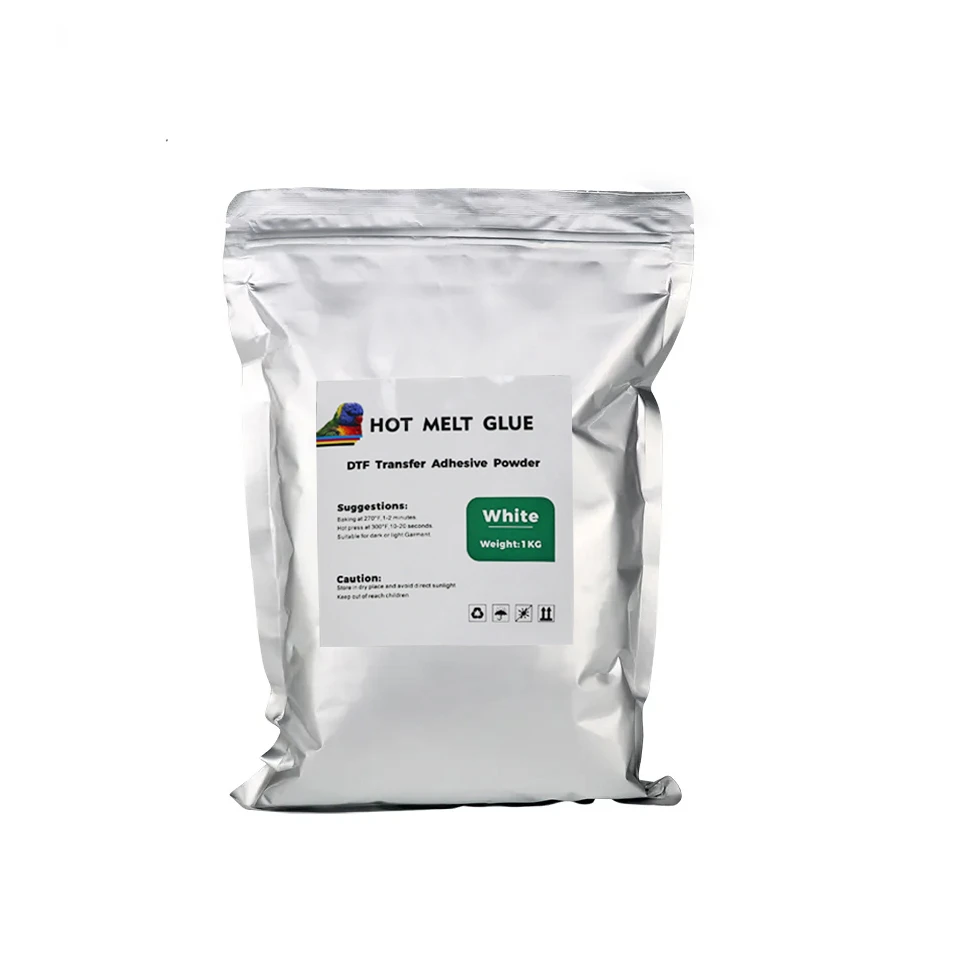
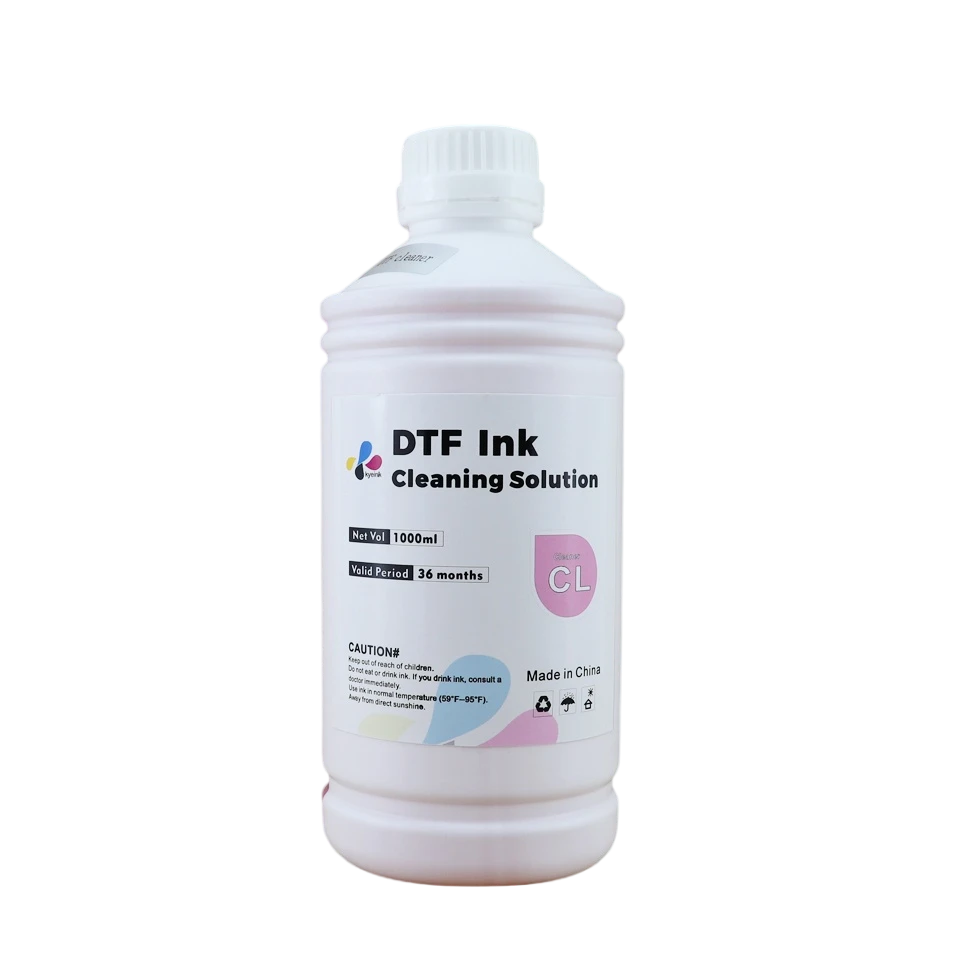
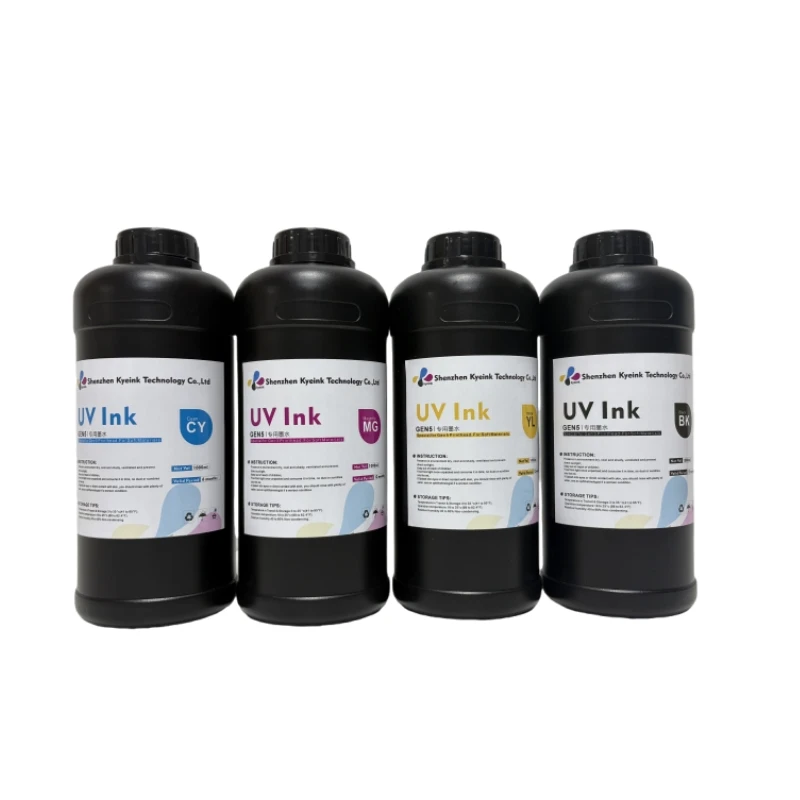
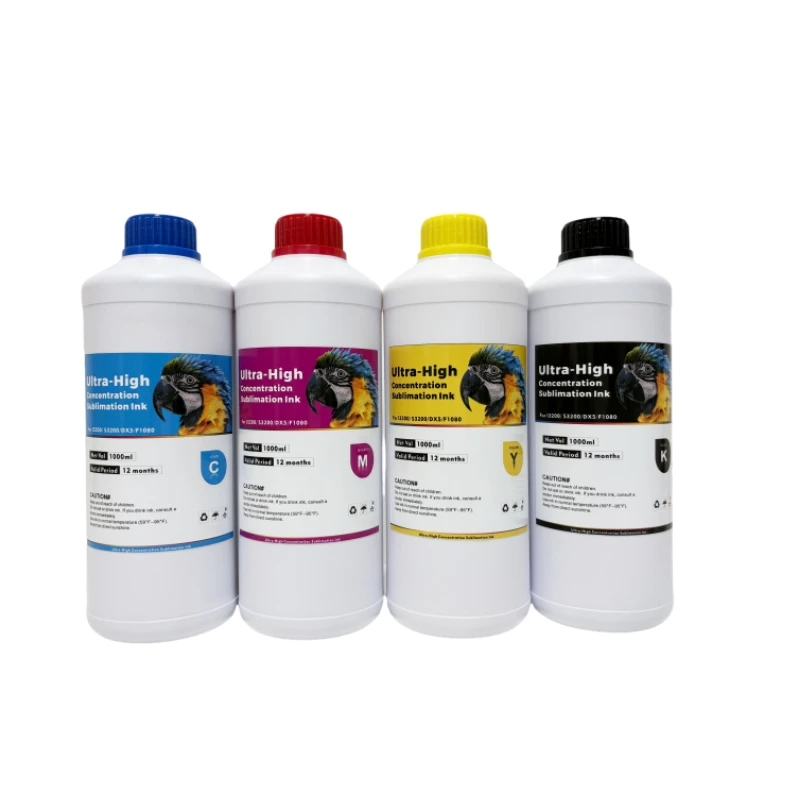
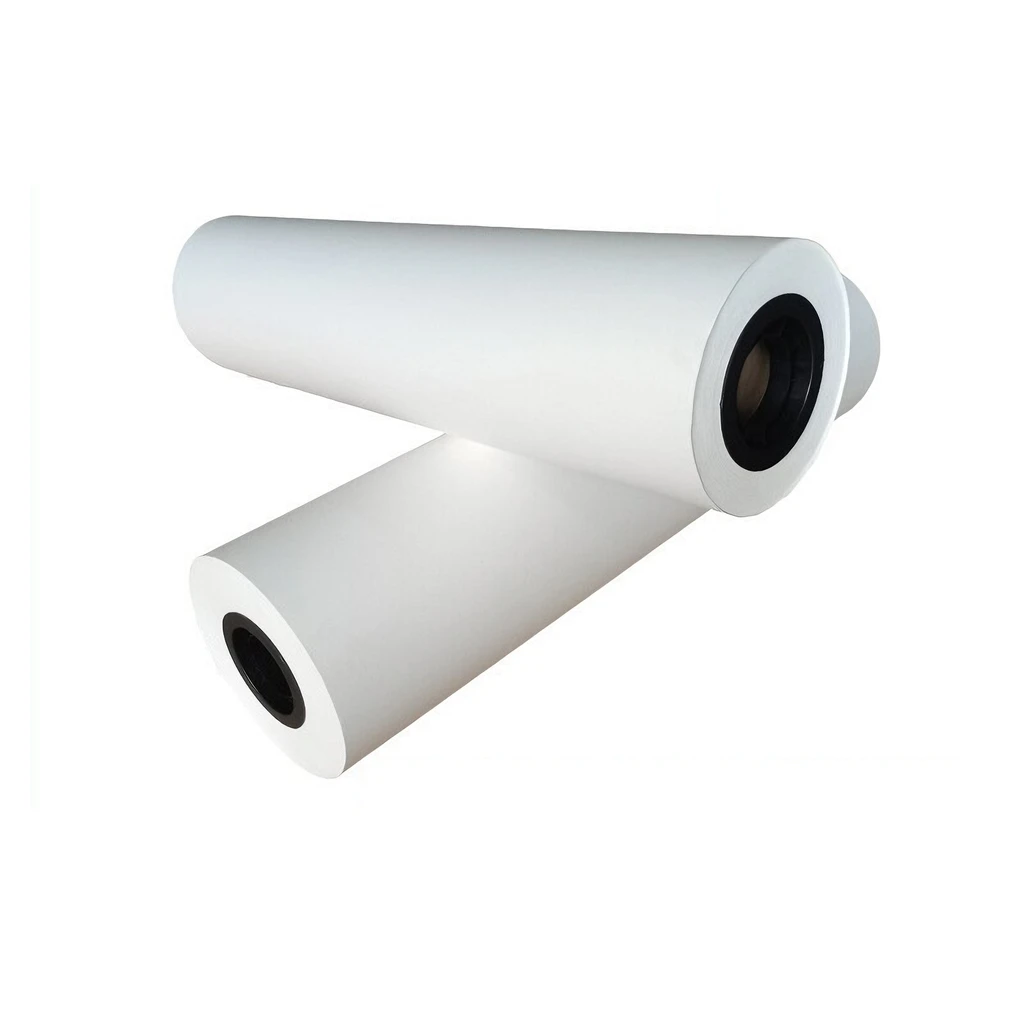

The biggest advantage of direct-to-garment (DGG) inks is their ability to print directly onto various materials, reducing the cumbersome intermediate steps in traditional printing. The pigment particles in the ink adhere to the material surface, forming clear and stable patterns and text after appropriate treatment. For companies seeking production efficiency and printing flexibility, DGG makes it easier to handle small-batch, multi-batch, and personalized orders, reducing the time costs associated with plate changes and machine setup.
Paint inks also have a wide range of material adaptability, suitable for various substrates such as paper, textiles, plastics, and metals. Compared to some traditional inks, paint inks use pigments as coloring agents, typically exhibiting better lightfastness and weather resistance, resulting in longer color retention after printing. For applications such as outdoor advertising, packaging, labeling, and decoration, where images need to remain clear and vibrant for extended periods, the stability of the ink itself is particularly important.
DGGG inks also offer advantages in terms of environmental protection and production management. Adopting digital inkjet printing allows for production based on actual order volume, reducing waste caused by plate making and excessive material preparation, while also shortening the time from design to finished product. As digital printing equipment continues to upgrade, the application scope of direct-to-garment inks is gradually expanding. While meeting printing quality requirements, they also provide enterprises with more options to improve production efficiency, control costs, and expand personalized business.