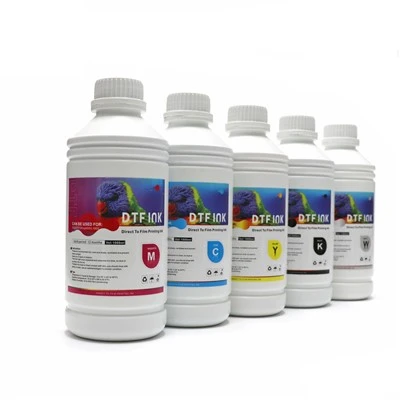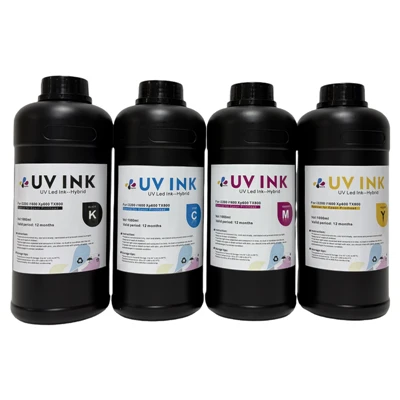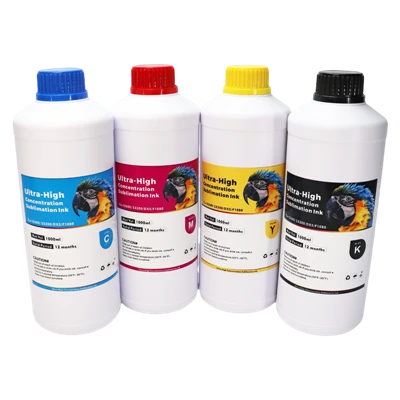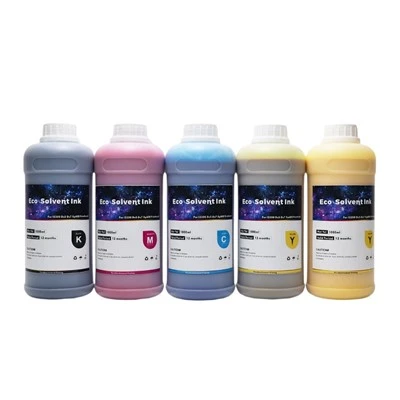
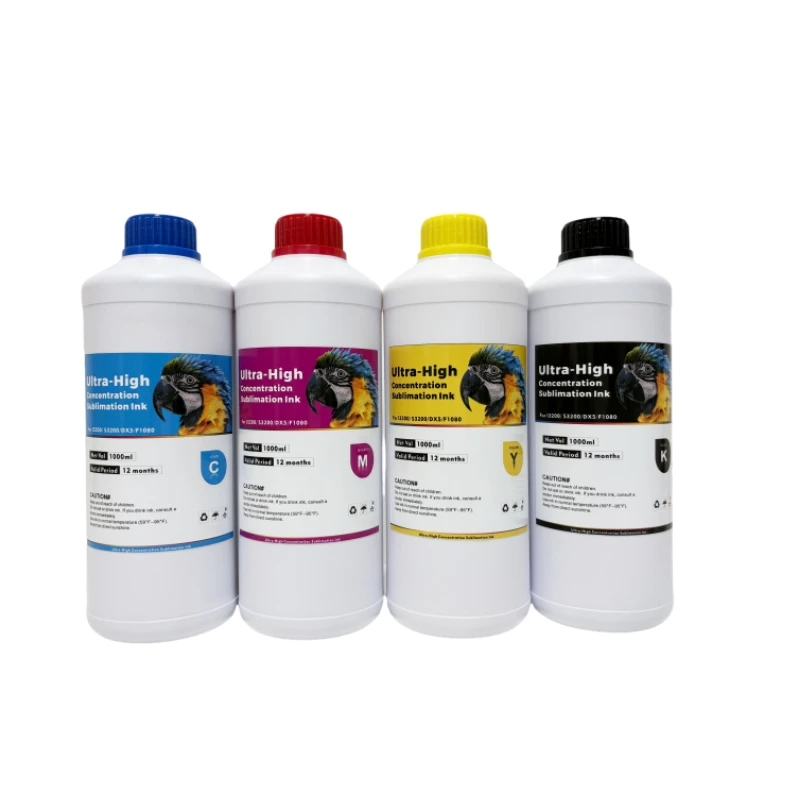
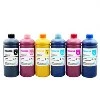

Mild solvent inks are primarily composed of solvents, pigments, resins, and small amounts of additives. The solvent is the main component, its primary function being to dissolve or disperse other components and to adjust the ink's viscosity, evaporation rate, and drying performance. Compared to traditional solvent-based inks, mild solvent inks use a relatively mild solvent system, reducing the corrosive effect on the printing material surface while still meeting printing performance requirements. Therefore, they are widely used in outdoor advertising, photo printing, and other fields.
Pigments and resins are also important components of mild solvent inks. Pigments are mainly responsible for providing color and hiding power; their particle size, dispersion state, and stability directly affect the color reproduction and clarity of the printed image. Resins mainly serve to bind and fix the pigments, allowing the ink to adhere better to the printing medium surface, while also improving the ink layer's abrasion resistance, weather resistance, and adhesion. Different resin types and ratios will have a certain impact on the ink's drying speed, gloss, and film-forming effect.
Mild solvent inks typically also contain small amounts of surfactants, dispersants, defoamers, and other additives. Although these additives are used in small quantities, they have a significant impact on ink stability and actual printing results. For example, dispersants help pigments disperse evenly, reducing sedimentation and agglomeration; surfactants improve the wetting and spreading properties of ink on material surfaces; and defoamers reduce bubbles generated during production and printing. By adjusting the proportions of each component, a better balance can be achieved between fluidity, adhesion, drying speed, and printing quality in mild solvent inks.